
CBD Massage: How I Use CBD Oil in Therapeutic Massage Sessions
Clients find their way to my practice for various reasons. For some, they’ve reached a place in their wellness journey where they start looking for different options. They’ve tried the usual approaches to managing pain, stress, or sleep problems. Sometimes medications help. Sometimes they come with side effects that make people hesitant to rely on them long term. Other times the issue isn’t severe enough to justify another prescription, but it’s still affecting daily life. Tight shoulders that never quite let go, restless nights, a nervous system that feels constantly on edge. These can all be reasons why people seek out massage. They can also be the prompt that encourages people to consider CBD.
In Maine, where my massage studio is located, recreational marijuana is legal for adults 21+, medical marijuana is permitted, and hemp-derived CBD products with less than 0.3% THC is legal. Worldwide, researchers, health organizations and medical practitioners are continuing to study and recommend CBD for various ailments, where appropriate. It’s more mainstream and widespread use is making people curious about it. Especially because it feels like a more natural, supportive option. For many, the appeal lies in the idea that CBD may offer gentle support with fewer side effects than some more conventional medications.
Clients will sometimes ask about CBD when they’re dealing with things like:
chronic pain or inflammation
persistent muscle tension
anxiety or stress overload
difficulty sleeping
post-workout soreness or recovery
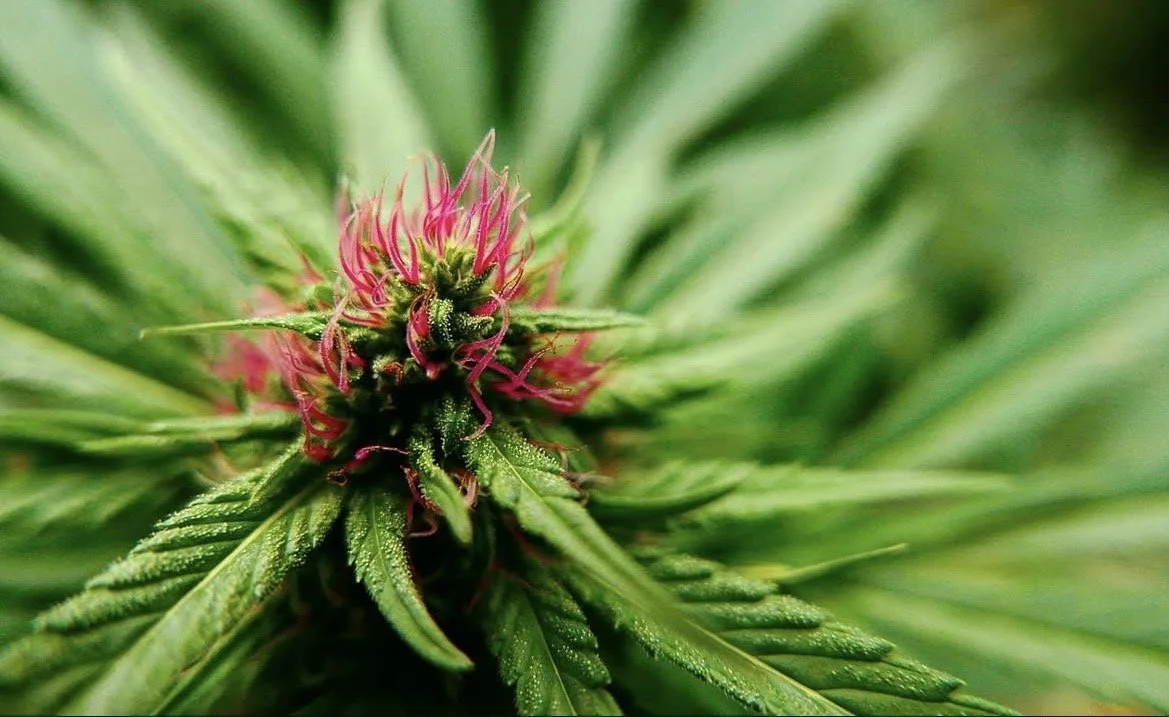
For some people, CBD becomes part of a broader approach to wellness — alongside things like massage therapy, movement, better sleep habits, and stress management. Scientific research on CBD is still evolving, and there is still a lot we are learning about how it works in the body. But many people have found it to be a helpful complementary tool as they care for their physical and mental well-being.
As a massage therapist, my role isn’t to prescribe or promote products. But when clients ask about CBD — which they often do — I think it’s important to provide clear, thoughtful information and explain how it can sometimes fit into therapeutic bodywork.
Over time, I’ve chosen a small number of products that I feel comfortable using in my practice. In this article, I’ll explain how CBD works, how I incorporate it into massage sessions, and why I’ve chosen the specific products I keep in my studio.
The CBD Massage Oil I Use During Sessions
Because CBD products vary widely in quality, I’m careful about what I choose to use in my practice. When something goes on a client’s skin during a treatment, I want to know exactly what’s in it, how it’s made, and whether the company stands behind its product.
The primary CBD product I use during massage sessions comes from Lovewell Farms, a small family-owned hemp farm in Rhode Island. What initially drew me to this company was their focus on transparency and quality control. Lovewell Farms grows their hemp on their own sustainable farm and manages the production process from seed to final extract. Their products are tested through state-licensed laboratories for cannabinoid levels, heavy metals, pesticides, and microbial contaminants, and they publish those test results so customers can see exactly what is in each product. For a field that still has a lot of variability in product quality, that level of transparency matters.
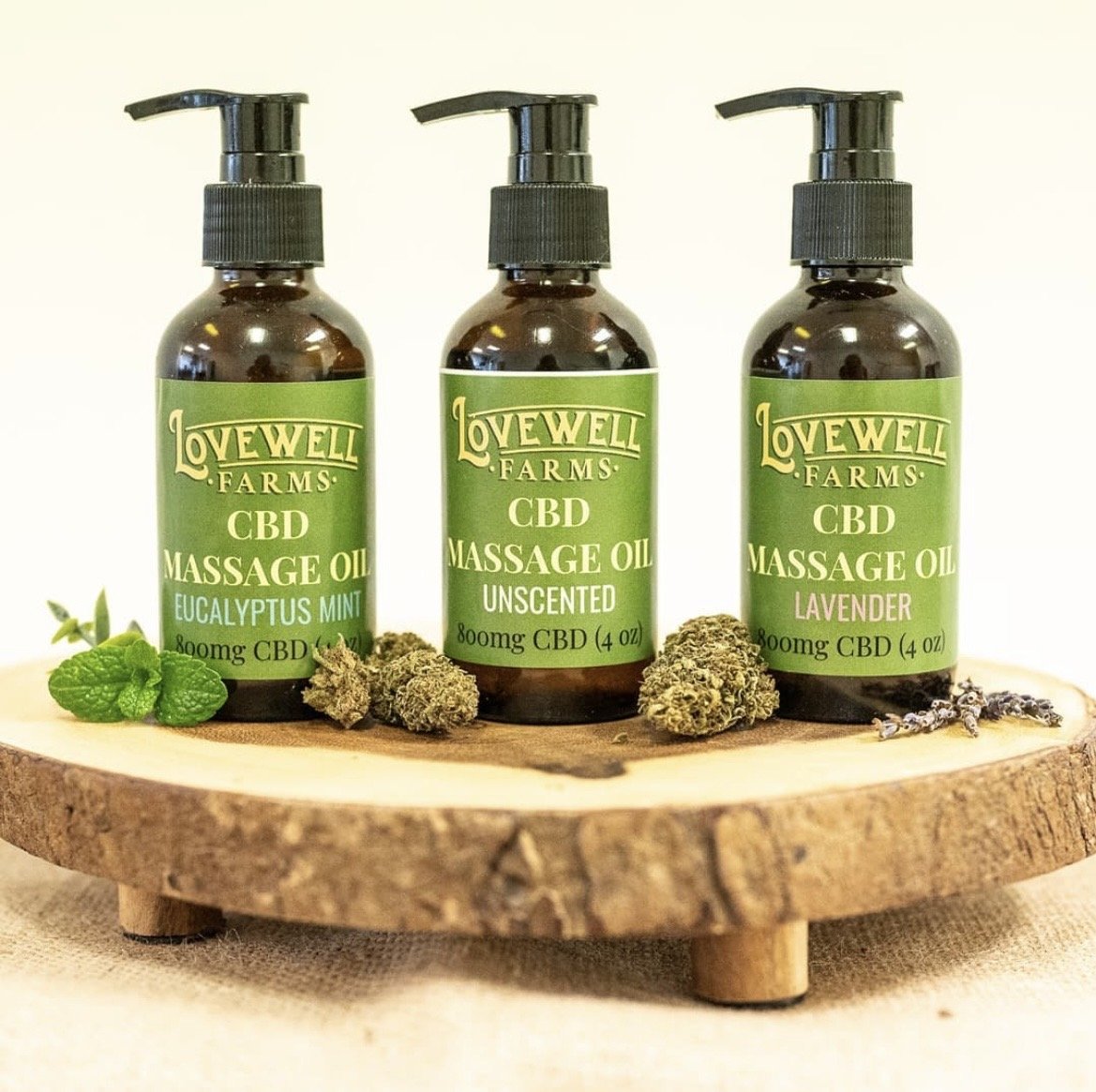
Lovewell Farm’s massage oil was developed in conjunction with licensed massage therapists and it works well as an all-over topical CBD application, or as a targeted spot treatment.
Ingredients:
Lovewell Farm’s handcrafted CBD products contain only naturally derived botanical ingredients to complement the CBD distillate. The CBD massage oil is formulated with a blend of carrier oils that work well for bodywork, including:
jojoba oil
apricot kernel oil
grapeseed oil
fractionated coconut oil (MCT oil)
vitamin E
full-spectrum hemp-derived CBD extract
These oils create a texture that allows smooth movement during massage while still absorbing into the skin at a comfortable pace. Some versions of the oil also include essential oils for a subtle scent.
How CBD works in a topical product
CBD, or cannabidiol, is one of hundreds of compounds found in cannabis plants. The CBD used in these products comes from hemp, a variety of the cannabis plant that contains less than 0.3% THC. Unlike THC, CBD is non-intoxicating and will not produce a “high.”
CBD interacts with receptors that are part of the body’s endocannabinoid system, a regulatory system involved in processes like pain signaling, inflammation, and stress responses. When CBD is used in a topical product, it works locally in the tissues where it is applied. The cannabinoids interact with receptors in the skin and surrounding tissues rather than entering the bloodstream.
For most topical applications:
onset time is typically 10–20 minutes
effects often last 2–3 hours
You can read more about CBD here: CBD Massage Benefits: How CBD Oil Supports Pain Relief, Recovery, and Relaxation
How I Use CBD in My Practice
Before a session begins, I always take a few minutes to review the plan for your massage. As part of that conversation, I’ll ask whether you’d like to incorporate any complementary enhancements into your treatment. In my office I keep several topical options on hand, including essential oils, arnica salves, muscle relief balms, magnesium creams, and CBD products. These tools can sometimes support the work we’re doing by helping reduce inflammation, relax tight tissue, or provide temporary relief to irritated areas.
I never use scented oils, topical analgesics, or specialty products without first talking with you and getting your permission. Some people are sensitive to certain scents or ingredients, while others simply have strong preferences about what they want used on their skin. Having this conversation ahead of time helps prevent skin reactions and ensures that the session feels comfortable and appropriate for you.

It also creates space for questions. Some clients are unfamiliar with topical products like CBD and arnica, and this gives me an opportunity to explain how they work and when they might be helpful. Others prefer not to use CBD products at all. For example, clients who are subject to drug testing sometimes choose to avoid them entirely.
Because informed consent is an important part of ethical bodywork, I never incorporate these types of enhancements without a client’s clear acknowledgment and agreement beforehand.
There is no additional charge for most of the topical products I use in session. I believe in using the tools available to me to support the work we’re doing and to tailor each massage to the individual client. However, because the CBD oil I use is a high-quality product that is significantly more expensive than standard massage oils, I do charge a small add-on fee for full-body application. This fee is always explained ahead of time so clients can decide whether it feels worthwhile for them.
Targeted Spot Treatment
CBD oil can be applied to a specific area that needs extra attention. This targeted approach concentrates the product exactly where it is needed most. Because only a small amount of product is used, spot treatment can also be a comfortable introduction if you’ve never tried CBD before and want to see how it can be beneficial.
When CBD spot treatment is appropriate during a session, there is no additional charge.
Full-Body CBD Application
Some clients prefer to incorporate CBD oil throughout the entire massage session. Full-body application spreads the product over larger areas of the body, which can support deeper relaxation and more widespread muscle recovery.
Clients often choose this option when they are dealing with things like:
full-body muscle soreness
post-workout recovery
chronic tension patterns
general stress and nervous system overload
Because this approach requires significantly more product, there is a $15 add-on fee for full-body CBD massage. As with all aspects of treatment, this option is always discussed beforehand so you can decide whether it feels right for you.
CBD Products Clients Can Use at Home
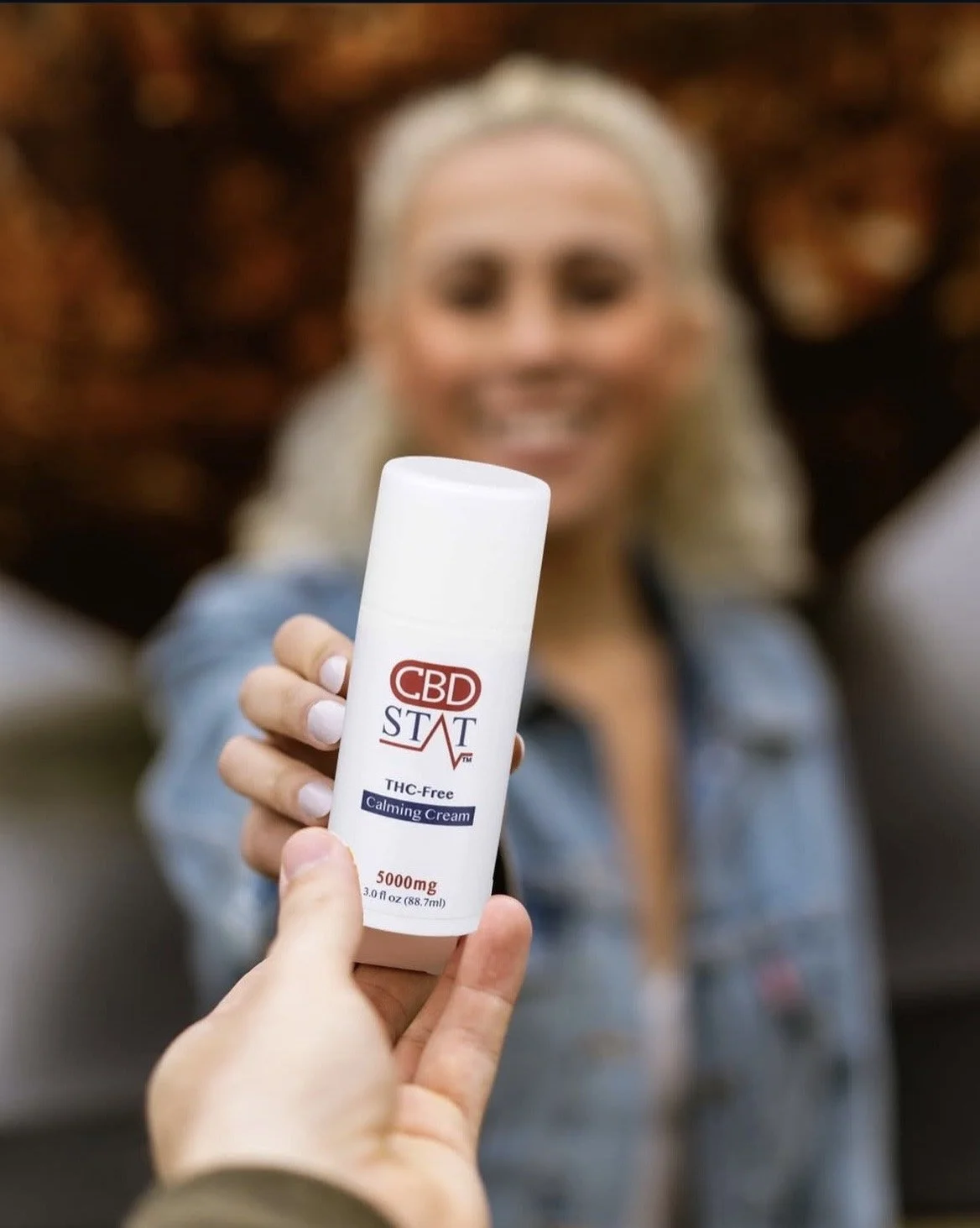
@cbd.stat
While the CBD oil I use during sessions is designed specifically for massage, some clients want something they can use between appointments.
For that reason, I occasionally offer sample-size topical products from a company called CBD Stat for clients who are curious about trying CBD at home.
These products come in several forms, including:
cooling muscle gel
calming cream
topical salves
Some clients enjoy the cooling sensation of the muscle gel, while others prefer a cream or salve that can be massaged into sore areas after a long day.
Like the CBD oil I use in session, these products are derived from hemp are third-party tested for purity and safety. CBD Stat is also a New England–based company, and their products are manufactured regionally using hemp-derived CBD.
Why Product Quality Matters With CBD
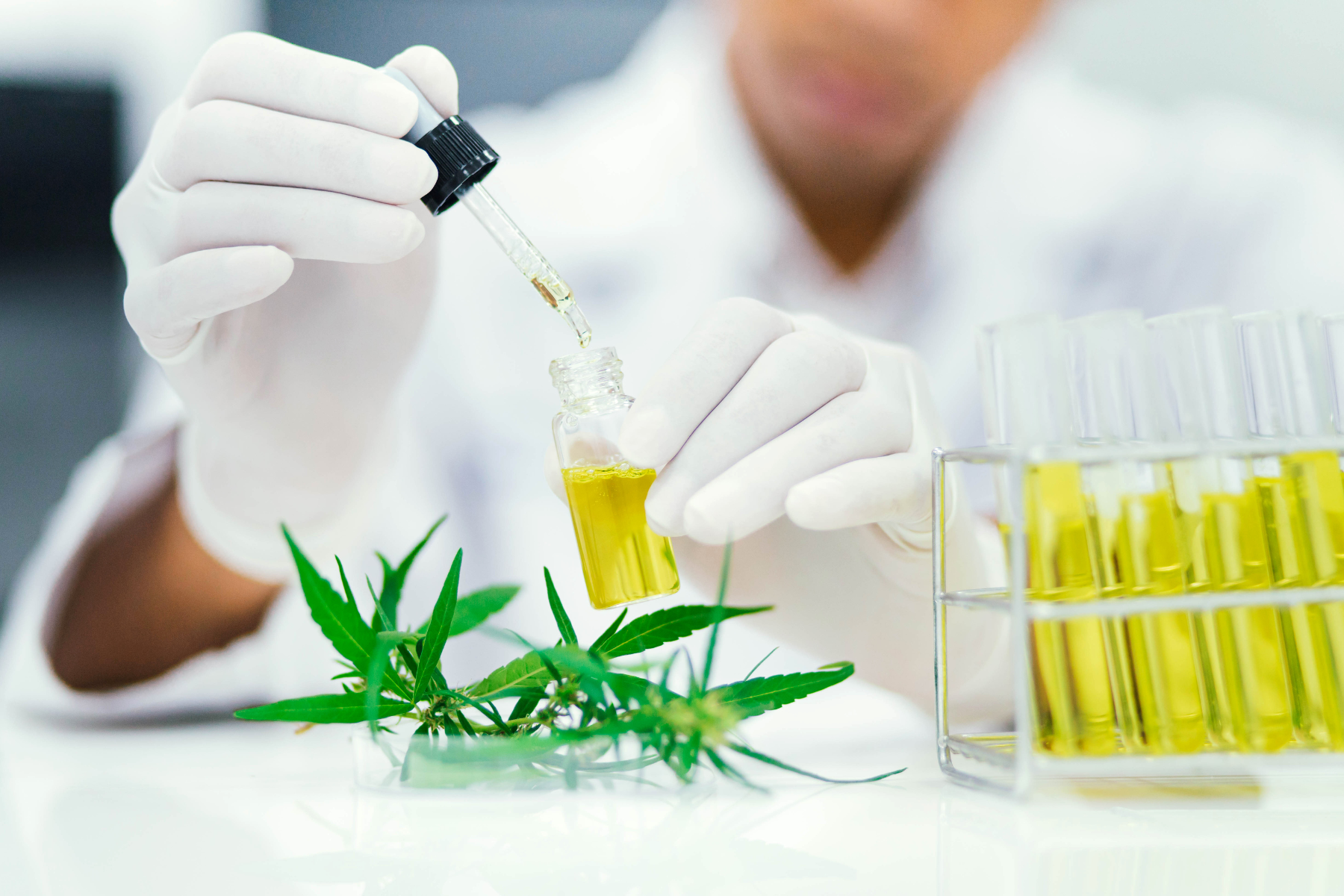
One of the challenges with CBD is that the market is still relatively new, and not all products are created with the same level of oversight.
Independent testing has shown that some CBD products on the market can contain inaccurate CBD amounts, can include contaminants and are sometimes poorly labeled. For that reason, when I choose something to use in my studio, I look for companies that prioritize:
third-party laboratory testing
clear ingredient labeling
consistent dosing
responsible sourcing
Both companies whose products I use provide independent lab testing and transparency about their ingredients, which helps me feel more confident offering them to clients.
A Thoughtful Addition — Not a Requirement
CBD is simply one of many tools that can complement therapeutic massage. Some clients love it. Others prefer not to incorporate it into their massage. Both options are perfectly fine. If you’re curious about whether CBD might be appropriate for your session, we can talk about it and decide together. My goal is always the same: to support your body in ways that feel safe, comfortable, and effective.
Important Note
The information shared here is intended for educational purposes and is not medical advice. CBD products have not been evaluated by the Food and Drug Administration for the diagnosis or treatment of disease. If you have medical conditions or take prescription medications, it’s always wise to speak with your healthcare provider before using CBD products.
Related reading:
• CBD Massage Benefits: How CBD Oil Supports Pain Relief, Recovery, and Relaxation