
CBD Massage Benefits: How CBD Oil Supports Pain Relief, Recovery, and Relaxation
Massage therapy already offers many benefits for the body. It can reduce muscle tension, improve circulation, calm the nervous system, and support recovery after injury or physical stress. In recent years, some massage therapists have begun incorporating CBD-infused massage oils and balms as an optional enhancement to therapeutic sessions. When used appropriately, CBD can complement the natural effects of massage by helping ease inflammation, relax tight muscles, and support overall recovery. If you’ve seen CBD offered as an add-on to massage and wondered what it actually does, this guide explains how it works and what you can expect.

What Is CBD?
CBD, short for cannabidiol, is a naturally occurring compound found in the cannabis plant. Unlike THC (tetrahydrocannabinol), CBD does not produce a “high.” It is considered non-intoxicating and non-addictive. According to a report from the World Health Organization, "In humans, CBD exhibits no effects indicative of any abuse or dependence potential…. To date, there is no evidence of public health related problems associated with the use of pure CBD."¹
CBD interacts with something called the endocannabinoid system (ECS). This system plays a role in regulating many functions in the body, including: pain perception, inflammation the immune response, mood and stress regulation and sleep cycles. Researchers and healthcare professionals have become increasingly interested in CBD because of its potential to support:
pain relief
reduced inflammation
relaxation
recovery after physical activity
improved skin health
How CBD Is Used During a Massage
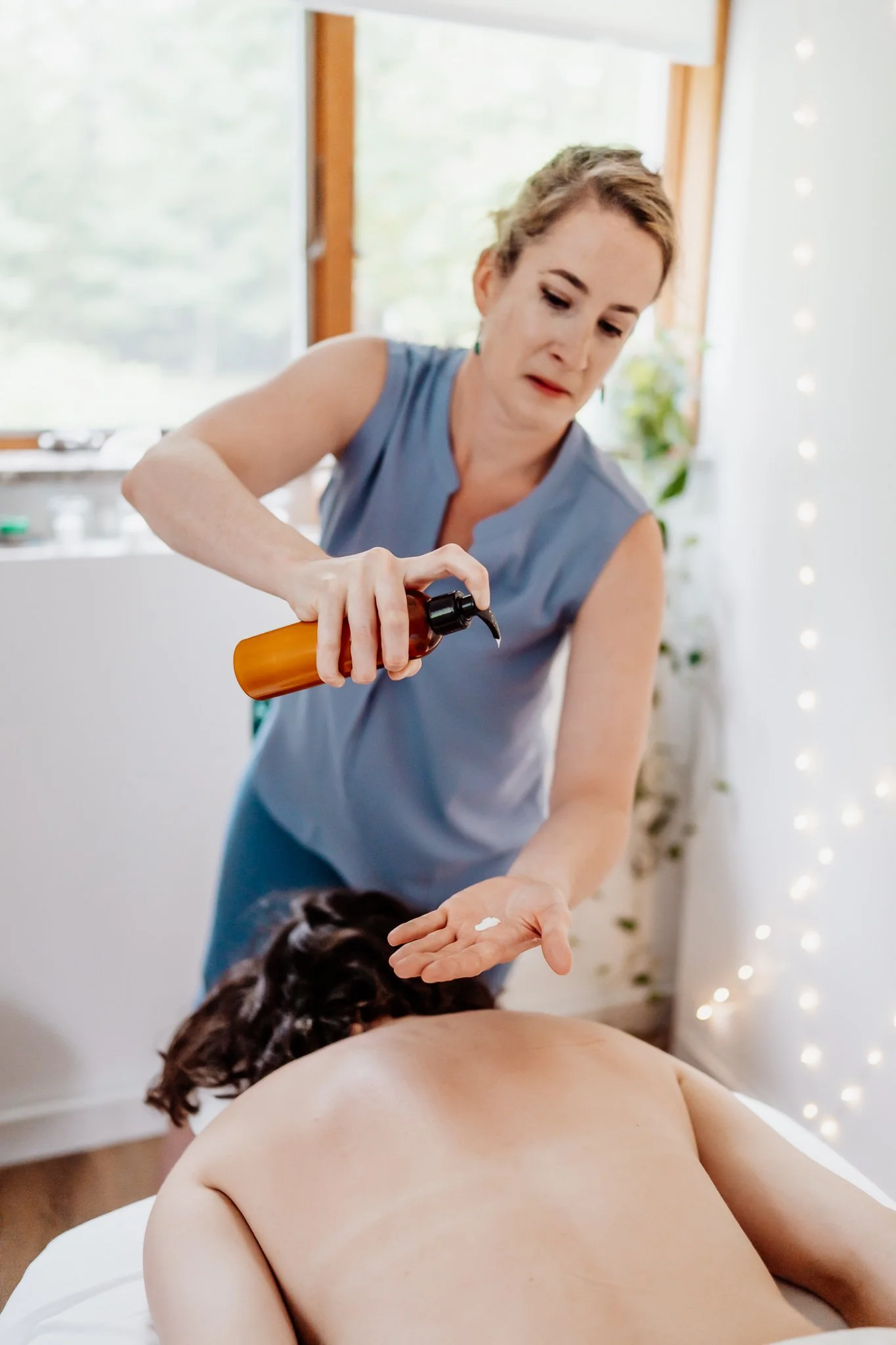
When used in massage therapy, CBD is applied topically, meaning it is absorbed through the skin rather than ingested. When CBD is applied topically, it interacts with cannabinoid receptors in the skin and surrounding tissues. The result for many people is localized relief in muscles and joints, without affecting the brain in the way THC does. In a massage setting, CBD is usually incorporated in one of two ways:
1. Mixed into massage oil
CBD-infused oils can be used during the session just like traditional massage oil.
2. Applied as a targeted treatment
A more concentrated balm may be used on a specific area that needs extra attention, such as a sore shoulder, tight neck, or recovering muscle.
Some clients prefer a full session using CBD, while others choose to use it only on specific areas of discomfort. As with any therapeutic product, it is always discussed beforehand and used only with clear client consent.
Benefits of CBD During Massage Therapy
Massage therapy and CBD appear to work well together because they both support the body’s natural recovery processes. While research on CBD is still evolving, many people report the following benefits when CBD is incorporated into massage.

Reduced Pain and Inflammation
Massage already helps improve circulation and tissue mobility. CBD may complement this by helping to reduce the body’s inflammatory responses.
Inflammation can be present in conditions such as chronic muscle tension, joint stiffness, overuse injuries, and post-workout soreness.
Support for Recovery After Activity
Athletes and active individuals often use CBD products to support recovery. When combined with massage therapy, it may help with: muscle soreness, lactic acid buildup, post-exercise inflammation and general muscle fatigue
Deeper Muscle Relaxation
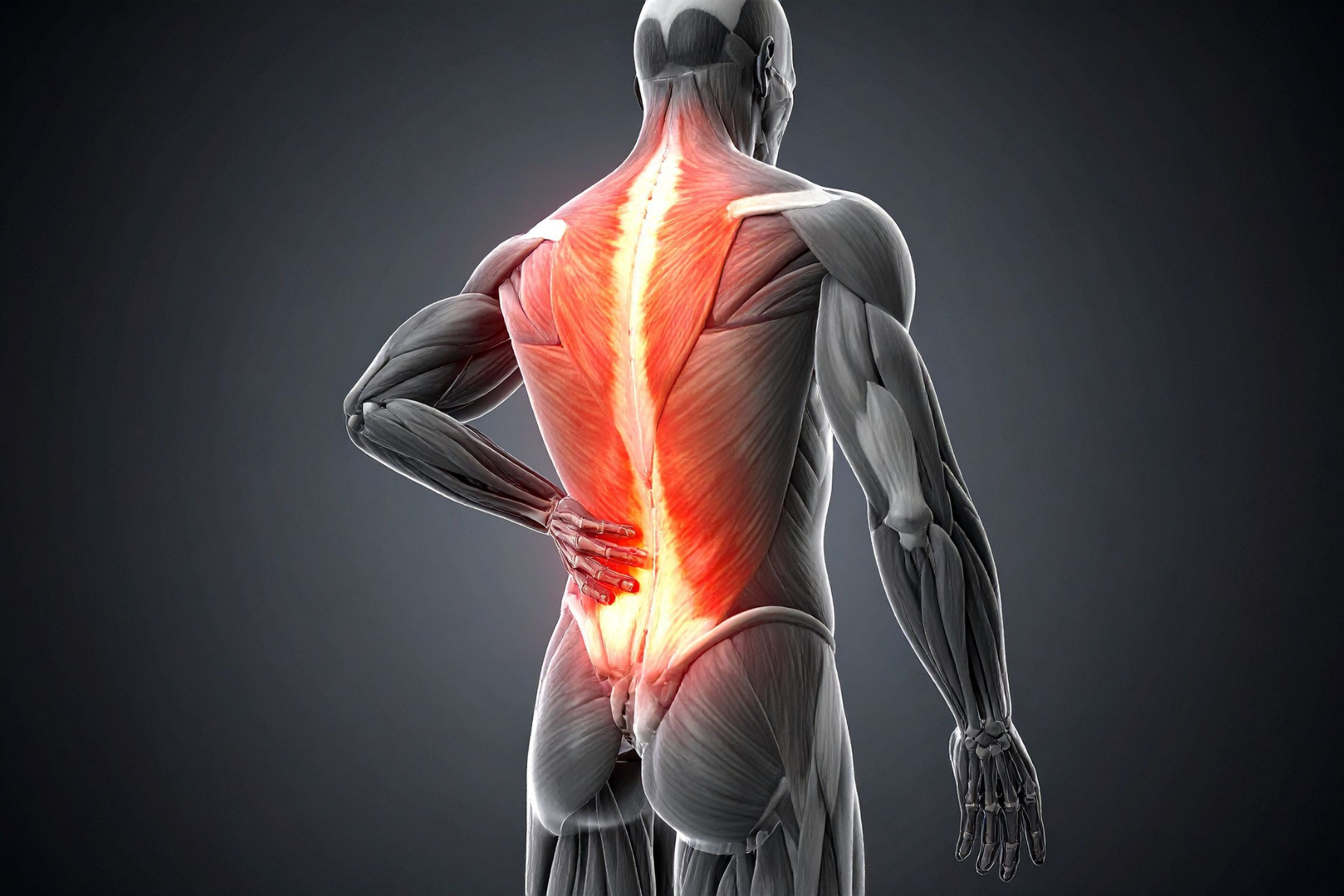
CBD may help relax tight or overactive muscles. This can make it easier for massage techniques to work effectively, particularly when addressing stubborn trigger points, muscle guarding after injury, and areas that tend to stay chronically tight. For some clients, this means the work can feel more productive and comfortable.
Skin Nourishment
Many CBD oils and balms are also formulated with plant-based ingredients that support skin health.
CBD itself contains antioxidants that may help soothe and hydrate the skin.

Reduced Stress and Anxiety
Massage is already well known for calming the nervous system. CBD may enhance this effect by supporting relaxation and helping the body shift out of a stress response. Clients sometimes describe feeling calmer, more grounded, able to relax more deeply during the session, and sleeping better afterwards.
CBD and Massage: A Natural Partnership
Massage therapy and CBD work in complementary ways.
Massage helps:
improve circulation
release muscle tension
mobilize soft tissue
calm the nervous system
CBD may support these effects by interacting with the body’s regulatory systems and helping reduce discomfort at a localized level. Together, they can create a more restorative therapeutic experience for some clients.
Is CBD Safe to Use in Massage?
CBD topicals are generally considered safe for most adults when used appropriately. However, like any product applied to the body, there are some important considerations.
CBD may not be recommended for clients who:
are pregnant or nursing
are undergoing chemotherapy
have certain seizure disorders
have sensitivities to hemp-derived ingredients
CBD can also interact with some medications, particularly those that carry a grapefruit warning. According to Harvard Health Publishing, “CBD can increase the level of blood thinning and other medicines in your blood by competing for the liver enzymes that break down these drugs. Grapefruit has a similar effect with certain medicines. This interaction is particularly important if you are taking a blood thinner, an anti-epileptic, or an immunosuppressant medication, all of which need to have stable levels in your blood.”¹
Because of these factors, CBD is always discussed beforehand, and clients can choose whether or not they want it included in their session.
Is CBD Legal?
CBD is widely available across the United States, although the laws surrounding it have evolved over time. According to Harvard Health Publishing, in 2015, the FDA eased regulatory requirements to allow researchers to conduct CBD trials. Then CBD became much more accessible after the 2018 U.S. Farm Bill legalized hemp, the cannabis variety that contains very low levels of THC. As Harvard explains, once hemp was legalized, it became difficult to keep hemp-derived CBD illegal—“that would be like making oranges legal, but keeping orange juice illegal.”¹ Today, hemp-derived CBD products containing less than 0.3% THC are federally legal, although states still have some authority over how CBD is produced and sold.
In Maine, hemp-derived CBD is legal for adults 21 and older, provided it meets the federal THC limits and is properly labeled. Maine also allows CBD to be included in certain products like foods, beverages, and cosmetics when produced according to state guidelines.² Because regulations and product standards can change, it’s always a good idea to check current state guidance if you have specific questions about CBD products.
Federal Policy and Research on CBD and Medical Cannabis³
Federal policy around cannabis and CBD continues to evolve as research grows. A recent presidential executive order highlighted the increasing recognition of the medical potential of cannabis compounds, including CBD. The order notes that chronic pain is extremely common in the United States, affecting nearly 1 in 4 adults and more than 1 in 3 seniors, and that many patients report using cannabis-related therapies to manage symptoms. The policy direction outlined in the order focuses heavily on improving research and guidance for both marijuana and hemp-derived cannabinoids, including CBD. The administration stated:
“It is the policy of my Administration to increase medical marijuana and CBD research to better inform patients and doctors.”³
The goal is to close the gap between how commonly these products are used and how much formal clinical guidance currently exists. The order also acknowledges the widespread use of hemp-derived CBD products, noting that 1 in 5 United States adults and nearly 15 percent of seniors reported using CBD in the past year. Hemp-derived cannabinoids, including CBD, are not classified as controlled substances under federal law, though they are still subject to safety and labeling regulations.
Why This Matters for Clients
For people exploring CBD as part of wellness or therapeutic care, this evolving research landscape means two things:
• Interest in CBD’s potential benefits continues to grow
• Researchers and healthcare providers are working toward clearer guidance about safety and effectiveness
Hemp-Derived vs. Marijuana-Derived CBD: What’s the Difference?
CBD can come from two varieties of the cannabis plant: hemp or marijuana. While both contain cannabidiol (CBD), the key difference is the amount of THC, the compound responsible for the intoxicating effects associated with marijuana.
Hemp-derived CBD contains only trace amounts of THC (less than 0.3%). Because of this low THC level, hemp-derived CBD does not produce a “high.” Hemp and hemp-derived CBD products were federally legalized under the 2018 Farm Bill, which is why these products are widely available in topical oils, balms, and wellness products.
Marijuana-derived CBD, on the other hand, can contain higher levels of THC and is regulated under medical or recreational marijuana laws.
In Maine, both hemp-derived CBD and marijuana-derived CBD are legal, but they are regulated differently.
Under the Maine Medical Use of Marijuana Act, medical providers are allowed to prescribe marijuana-derived CBD products as part of medical marijuana treatment. The original law, first adopted in 1999 and expanded in 2009, listed specific qualifying conditions such as cancer, chronic pain, multiple sclerosis, seizures, AIDS, glaucoma, Crohn’s disease, epilepsy, and Post Traumatic Stress Disorder (PTSD). In 2019, the law was amended to remove the fixed list of conditions, allowing medical providers to determine which patients may benefit from marijuana-based therapies.²
Hemp-derived CBD products are regulated separately. Adults 21 years and older in Maine can legally purchase hemp-derived CBD oils and products from dispensaries, wellness stores, pharmacies, and health food stores without a prescription.²
For massage therapy sessions, I use topical products made with hemp-derived CBD, not marijuana-derived CBD. This means the products contain only trace amounts of THC and do not require a medical marijuana card or prescription.
As with any product used during a therapeutic session, we always discuss it beforehand so you can decide whether it feels appropriate for you.
Will CBD Massage Products Show Up on a Drug Test?
This is one of the most common questions people ask. CBD itself does not cause intoxication and is not typically screened for in drug tests.However, many CBD products contain trace amounts of THC, which is the compound drug tests detect. While the amount is very small (federally legal hemp products must contain less than 0.3% THC), individuals who are subject to strict drug testing policies may prefer to avoid CBD products entirely.
If this is a concern for you, it’s always best to discuss it before your session.
Choosing High-Quality CBD Products
The CBD market is still relatively unregulated, which means product quality can vary.
For this reason, it’s important that massage therapists choose products that are:
third-party tested
clearly labeled
sourced from reputable manufacturers
If you’re curious about the specific products I use in my practice, you can learn more here: CBD Massage: How I Use CBD Oil in Therapeutic Massage Sessions
CBD Massage in Bar Harbor and Mount Desert Island
For clients who are interested, CBD can be a thoughtful addition to a therapeutic massage session. It isn’t necessary for every treatment, and it’s always optional. But for some people dealing with muscle tension, inflammation, or chronic discomfort, it can offer an additional layer of support. If you’re curious about whether CBD might complement the work we’re doing in your session, we can talk about it and decide together if it’s appropriate. As with all aspects of therapeutic massage, the goal is simply to support your body in a way that feels safe, comfortable, and effective.
Sources and Research
Interest in CBD and other cannabinoids has grown quickly over the past decade. While research is still evolving, a number of reputable medical and public health organizations have published information about how these compounds interact with the body and where they may have potential therapeutic value.
If you’re interested in learning more, the following resources provide reliable, evidence-based information:
Harvard Health Publishing – Marijuana/CBD Archive
Physician-reviewed articles explaining what researchers currently understand about CBD, cannabis, and related compoundsU.S. Food and Drug Administration (FDA) – Cannabis and Cannabis-Derived Products
Federal guidance on CBD, product regulation, and current research.National Institutes of Health (NIH) – Cannabis, cannabinoids and health: a review of evidence on risks and medical benefits
Information about how cannabinoids interact with the body and ongoing research studies.World Health Organization (WHO) – Cannabidiol (CBD) Critical Review Report
A scientific review noting that CBD shows no evidence of abuse or dependence potential.United States Federal Policy on Cannabis Research (2025 Executive Order)
Federal policy emphasizing the need for expanded research on medical cannabis and CBD to better guide patients and healthcare providers.
As research continues, our understanding of CBD’s benefits, limitations, and best uses will continue to evolve. My goal in sharing this information is simply to help clients make informed decisions about the tools that may support their care.
Article Citations
¹ Grinspoon, MD, Peter. Cannabidiol (CBD): What we know and what we don't. Harvard Health Publishing. 2024.
²Mainecannabis.orgIs CBD Oil Legal in Maine?
³Trump, President Donald J. Increasing Medical Marijuana and Cannabidiol Research. Executive Orders. 2025
Related reading:
• CBD Massage: How I Use CBD Oil in Therapeutic Massage Sessions