Scar Massage After Mastectomy and Radiation: What You Should Know
When Breast Cancer Treatment Ends: Adjusting to Your “New” Body
A breast cancer diagnosis is not just medical. It’s physical, emotional, and deeply personal. For many women, it touches identity, femininity, sexuality, strength, motherhood, partnership. It can feel abrupt. Unfair. Disorienting. There is fear. There are decisions made quickly. Things change faster than you have time to process.
During treatment, there is support everywhere. Appointments stacked on the calendar. Surgeons, oncologists, nurses. Go Fund Mes, MealTrains. Family, friend and community support. Clear plans. Clear next steps. The mission is simple and urgent: remove the cancer. Stop the spread. Heal the wounds.
And then one day, the appointments slow down. The scans are clear. The incisions heal. You are released back into your life. This is the part many of my clients describe the same way: “My doctors were focused on beating the cancer and making sure I healed. And they did. But no one really talked to me about what comes next.”
No one talked about the tightness across the chest months later. The pulling into the shoulder. The way radiation changed the texture of the skin. The numbness that never quite resolved. The feeling of living in a body that feels unfamiliar. Or if they do, the message is always, “Don’t worry, that’s normal.”
After mastectomy, lumpectomy, reconstruction, or radiation therapy, many people experience:
Tightness across the chest
Pulling into the shoulder or ribs
Burning or hypersensitivity
Numbness
Limited range of motion
A feeling of restriction when reaching or twisting
These sensations are common. But this is the part almost no one talks about: there are ways to support your body after treatment ends. Scar massage is one of them.
If you’re recovering from breast cancer treatment and dealing with scar tissue or radiation fibrosis, this post will help you understand what scar work is, how it works, and whether it may be appropriate for you.
What Is Scar Massage?
Scar massage is a specialized form of therapeutic bodywork that focuses on improving the mobility and health of scar tissue. When the body heals after surgery or radiation, it forms scar tissue quickly. That tissue can become dense or adhere to surrounding layers, especially in areas like the chest wall where skin, fascia, muscle, and ribs are all closely connected. Radiation therapy can also contribute to fibrosis, a thickening and stiffening of tissue that may develop months or even years after treatment.
Scar massage is designed to:
Improve glide between tissue layers
Reduce adhesions
Decrease pulling or restriction
Support healthy circulation
Improve range of motion
Address hypersensitivity or numbness
It is slow, specific, and collaborative.
If the concept of scar massage is brand new to you, I’ve written more about how it works and how it can be supportive in a separate post, Scars and Burns: Enhancing Recovery with Scar Massage. It offers a broader overview of scar tissue and the role manual therapy can play in healing.
Scar Tissue After Mastectomy and Breast Reconstruction
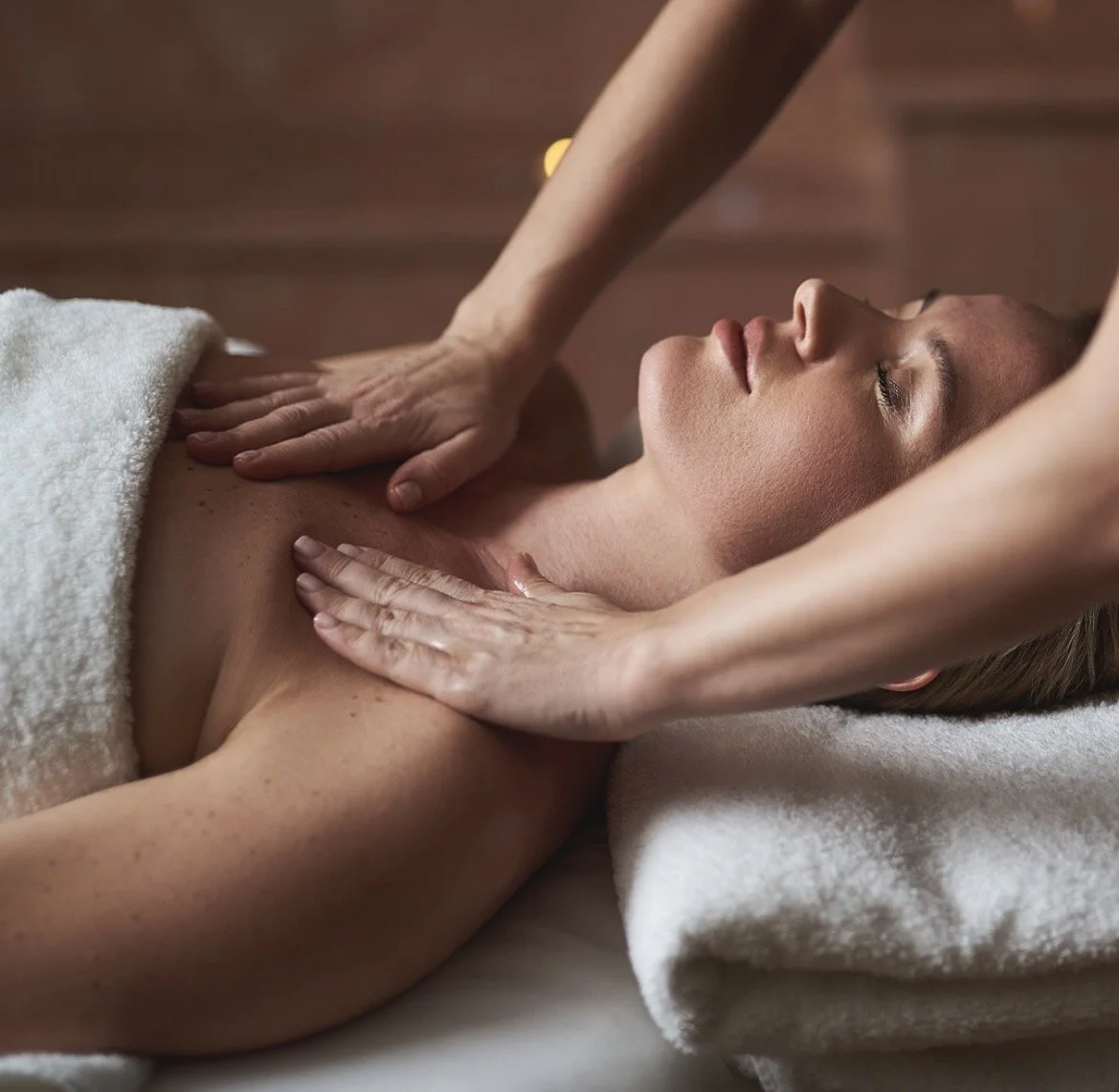
After a mastectomy or lumpectomy, scar tissue doesn’t just affect the surface of the skin.
It can influence:
Chest wall mobility
Shoulder mechanics
Rib movement
Posture
Neck tension
Breathing
If lymph nodes were removed, the surrounding tissue may also feel dense or restricted. With reconstruction, there are additional surgical layers involved. Implant placement or flap procedures create new patterns of tension that sometimes benefit from skilled manual therapy once fully healed and medically cleared. Scar massage can improve the actual appearance of scars. But I find that it’s biggest impact comes from altering how the tissue moves and feels in your body.
Every body responds differently. But I find this work meaningful because of how powerful it can be. Clients say things to me like, “I didn’t realize I wasn’t taking deep breaths… until I could!” Another shared, “It used to hurt so much to sneeze or cough. I don’t brace for it anymore.” Someone else said, “I was so protective of that side of my body. I didn’t even notice how much I was guarding.” Often the improvements show up in small, ordinary movements. Reaching overhead. Turning while driving. Taking a full inhale without tightness across the chest. This style of work is all about improving how your body moves and feels now.
Radiation Fibrosis and Burned Tissue: Can Massage Help?
Radiation can leave the skin and underlying tissue feeling tight, dry, thickened, or sensitive.
Some people describe it as:
A constant pulling sensation
A band of tightness across the chest
Reduced shoulder mobility
Discomfort with deep breathing
When medically appropriate and fully healed, gentle scar and fascial work can support:
Tissue pliability
Comfort with movement
Improved circulation
Gradual desensitization
Radiated tissue requires patience and skill. Pressure is conservative and adjusted carefully.
Is Scar Massage Safe After Breast Cancer Treatment?
Safety is essential. Scar massage for mastectomy and radiation recovery is only appropriate:
After medical clearance
Once incisions are fully healed
When there are no active complications
With proper screening for lymphedema risk
If lymph nodes were removed, the risk of lymphedema must be assessed carefully. Sessions are adapted to your medical history, reconstruction type, and comfort level. This is not general relaxation massage. It is specific, informed, and responsive to your body.
Addressing the Intimacy of Breast and Chest Scar Work
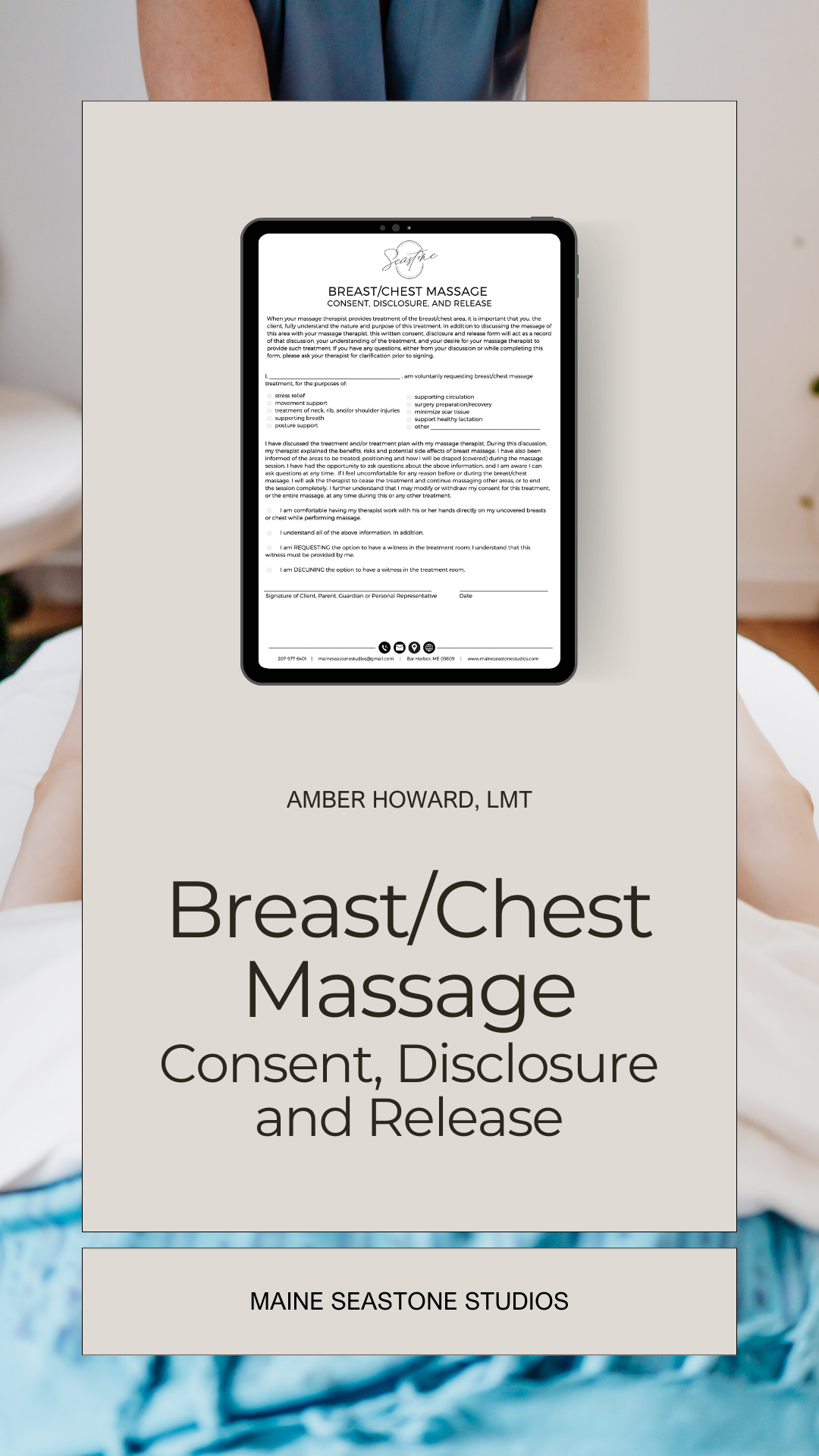
Work around the breast and chest area can feel vulnerable.
That deserves to be acknowledged clearly.
Professional scar work in this area includes:
Detailed intake and health history
Written consent specific to chest and breast treatment
Clear draping protocols at all times
Ongoing verbal check-ins
The option to pause or stop at any point
Nothing is done without explanation and permission. You remain in control throughout the session. For some clients, the work feels purely physical. For others, there may be emotion layered into the experience. Both are normal.
What a Mastectomy Scar Massage Session Looks Like:
If you’re considering scar massage after breast cancer treatment, it can help to know what to expect.
A typical session may include:
A thorough conversation about your surgery, radiation, and current symptoms
Assessment of mobility in the chest and shoulder
Gentle, specific scar mobilization techniques
Integration of shoulder, rib, back or neck work if needed
Education on safe self-massage techniques at home
Sessions move slowly. There is no rush. The goal is to improve comfort and function over time, working at your comfort level.
Who May Benefit from Scar Massage After Breast Cancer
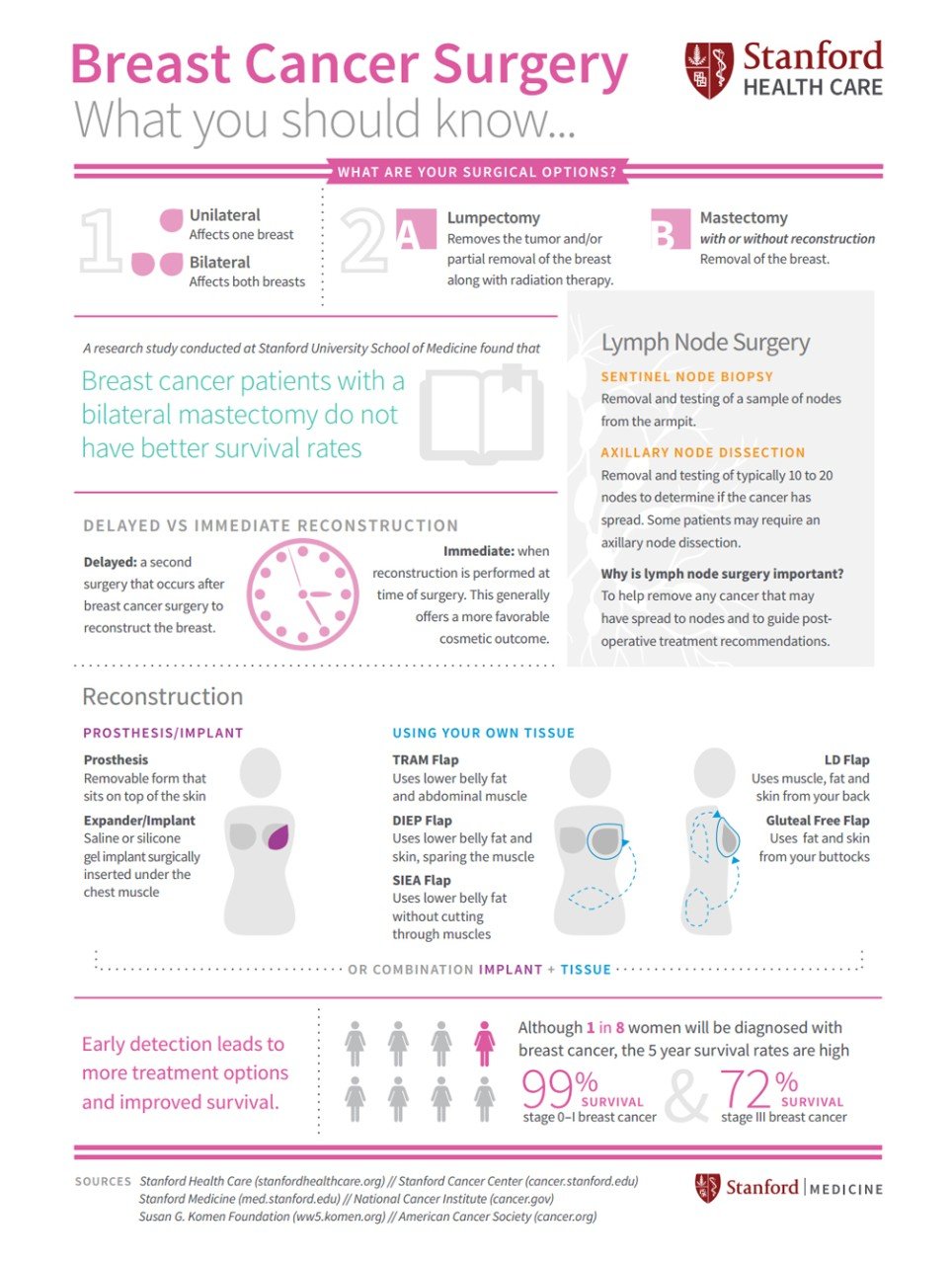
Scar massage may be helpful if you:
Have completed active treatment
Have medical clearance
Feel tightness, pulling, or restriction
Notice limited shoulder or chest mobility
Want hands-on, individualized care
It may not be appropriate if you:
Are still in active cancer treatment
Do not have medical clearance
Have unresolved surgical complications
If you’re unsure, a conversation is the best place to start.
Reconnecting With Your Body After Cancer Treatment
Scars are physical changes to the body. But they can also represent a chapter of life that required strength, endurance, and adaptation. For some people, scar massage is simply about improving movement. For others, it can also be about feeling more at ease in their body again. There is no right way to experience it. The work is personal. Respectful. Collaborative.
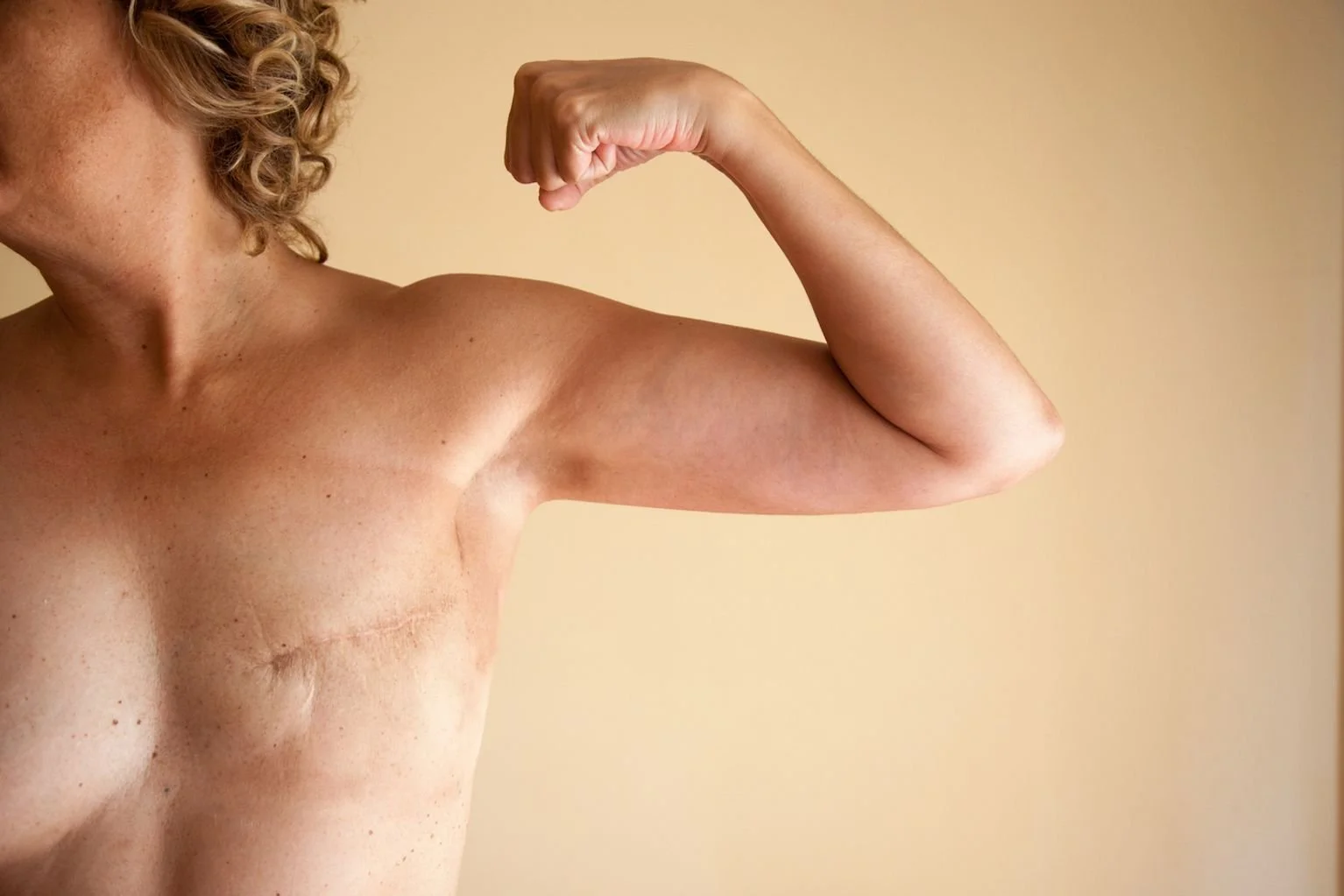
Scar Massage for Mastectomy and Radiation Recovery in Maine
If you live in the Mount Desert Island or greater Bar Harbor area and are navigating life after breast cancer treatment, you don’t have to manage scar-related discomfort alone.
Scar massage is a specialized service that supports tissue mobility, comfort, and function after mastectomy, reconstruction, and radiation therapy.
If you’re wondering whether this type of care is appropriate for you, you’re welcome to reach out with questions. We can talk through your history and determine next steps together.
Additional Breast Cancer Recovery Resources:
Scar massage is one small part of recovery after breast cancer. Ongoing medical care, emotional support, and reliable education matter deeply. If you’re looking for additional support or information, these organizations offer trusted resources for breast cancer survivors:
Breastcancer.org - Evidence-based information about diagnosis, treatment, side effects, and long-term survivorship.
Susan G. Komen - Education, research updates, and patient support services
American Cancer Society - Comprehensive cancer resources, survivorship information, and local support programs.
Living Beyond Breast Cancer - Practical guidance and community-based support specifically for people navigating life after treatment.
The Dempsey Center - A nonprofit organization in Maine that provides holistic support services at no cost to people impacted by cancer, including patients, survivors and their families. Founded in 2008 by actor and Maine native Patrick Dempsey in honor of his mother, the center focuses on "treating the person, not the disease" through emotional, physical, and social support.
You do not need to figure out recovery alone. You deserve support not only during treatment, but after it too.