
The Role of Sleep Technology Device Innovations in Stress Reduction and Nervous System Regulation
By Guest Blogger Anna Gudmundson
A sleep technology device can make the difference between lying awake with a racing mind and giving your body a clear signal that it is safe to relax.
Most people do not think about their nervous system when they are trying to fall asleep. They think about the long day they had. They think about tomorrow’s meetings. They think about the bill they forgot to pay, the text they never answered, or the strange way their heart feels louder at night.
That is the part many people miss.
Sleep is not just about being tired. Sleep is about feeling safe enough to power down. When stress builds up during the day, the body can stay stuck in alert mode even after the lights are off.
That is where modern sleep support tools have become more interesting. They are not just about tracking hours in bed anymore. They are now being used to help calm breathing, reduce tension, support relaxation, and guide the body toward better rest with a sleep technology device.
Why Stress Makes Sleep Feel So Hard
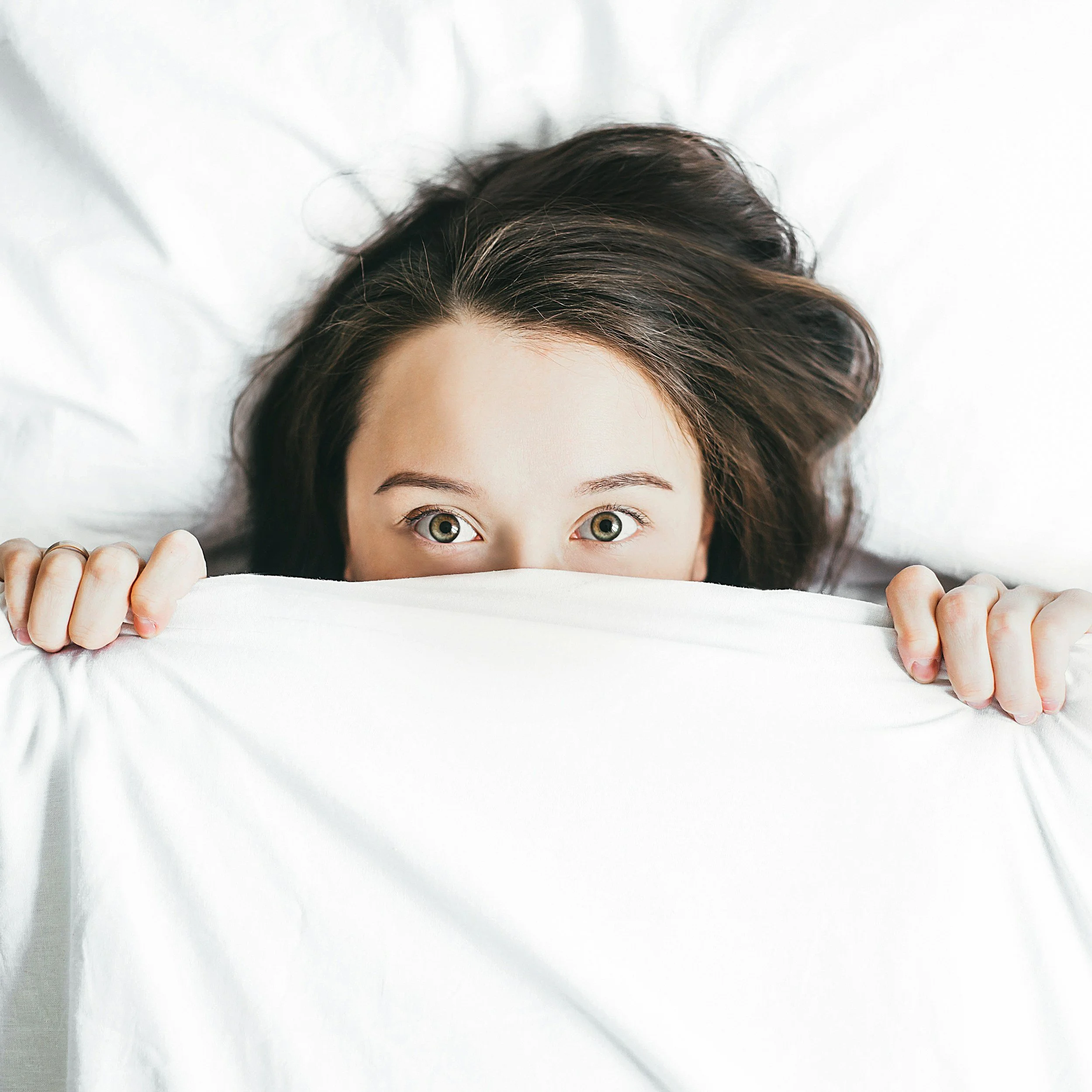
Stress has a way of following people into bed. You may have had this happen before. You finish a busy day, feel exhausted, get under the covers, and then suddenly your brain starts acting like it drank coffee. Thoughts speed up. Your shoulders stay tight. Your breathing feels shallow. You check the clock once, then again, then again.
That pattern is common because the nervous system has not fully shifted out of fight-or-flight mode.
The body may be tired, but the brain is still scanning for problems. This is why sleep problems often feel emotional and physical at the same time. It is not only about thinking too much. It can also be about heart rate, muscle tension, breath rhythm, cortisol levels, and sensory overload.
A calming nighttime routine helps because it gives the body repeated signals that the day is over. Technology can support that routine when it is designed to work with the body instead of overstimulating it.
How Sleep Tools Support Nervous System Regulation
The nervous system responds to patterns. A steady sound, gentle vibration, guided breathing, temperature shift, or relaxing rhythm can help the body move toward a calmer state. This is why some people fall asleep faster with a fan running. Others relax with weighted blankets, white noise, meditation audio, or slow breathing exercises.
Sleep-focused wellness tools build on that same idea. They use sensory cues to help the body settle.
Some devices track sleep cycles. Some measure heart rate variability. Some use sound therapy. Some use vibration or touch-based relaxation. Some help users build a repeatable wind-down routine.
The goal is not to force sleep. The goal is to help the body stop fighting rest. That distinction matters.
Better sleep often starts before the person is actually asleep. It starts when the nervous system begins to shift from alertness into recovery.
The Real Problem Is Often Overstimulation
Modern life keeps the brain switched on. Phones, emails, traffic, social media, streaming shows, work stress, family demands, and financial pressure all add noise to the system. Even good days can be overstimulating.
By bedtime, many people are not relaxed. They are simply drained. There is a difference.
Being drained means your energy is low. Being relaxed means your body feels safe.
That is why someone can feel exhausted and still be unable to fall asleep.
A friend once described it perfectly after a stressful workweek. She said, “My body wants sleep, but my brain thinks we are still in a meeting.”
That is the exact gap that sleep innovation is trying to address.
The best tools do not just count rest. They help create the conditions for rest.
What Makes a Sleep Support Tool Helpful
Not every gadget belongs in the bedroom. Some devices create more data, more worry, and more screen time. That can make sleep worse.
A helpful tool should make the evening feel simpler, not more complicated.
It should be easy to use when you are tired. It should not require constant checking. It should support relaxation without making you obsess over numbers.
For many people, the most useful features include calming audio, breath pacing, gentle vibration, low-light settings, temperature support, and simple sleep tracking. Comfort matters too. If something feels awkward, bright, loud, or distracting, it will not become part of a real routine.
The best sleep aid is the one a person will actually use every night. Consistency is where the benefits often come from.
A Story Most Poor Sleepers Know Well
Picture this. It is 10:45 p.m. You promised yourself you would sleep early. You brush your teeth, plug in your phone, and climb into bed. Then you remember one unfinished task. You tell yourself you will think about it for only a second. Twenty minutes later, you are mentally rewriting emails, planning breakfast, checking your calendar, and wondering why you are like this. Your body gets tense because your mind is active. Your mind gets more active because your body is tense. That loop can run for hours.
A calming sleep routine breaks the loop by giving your attention something steady to follow. It may be breathing. It may be sound. It may be a relaxing physical sensation. It may be a short guided wind-down practice. The point is to move the brain away from problem-solving and back into body awareness.
The Link Between Breathing and Better Sleep
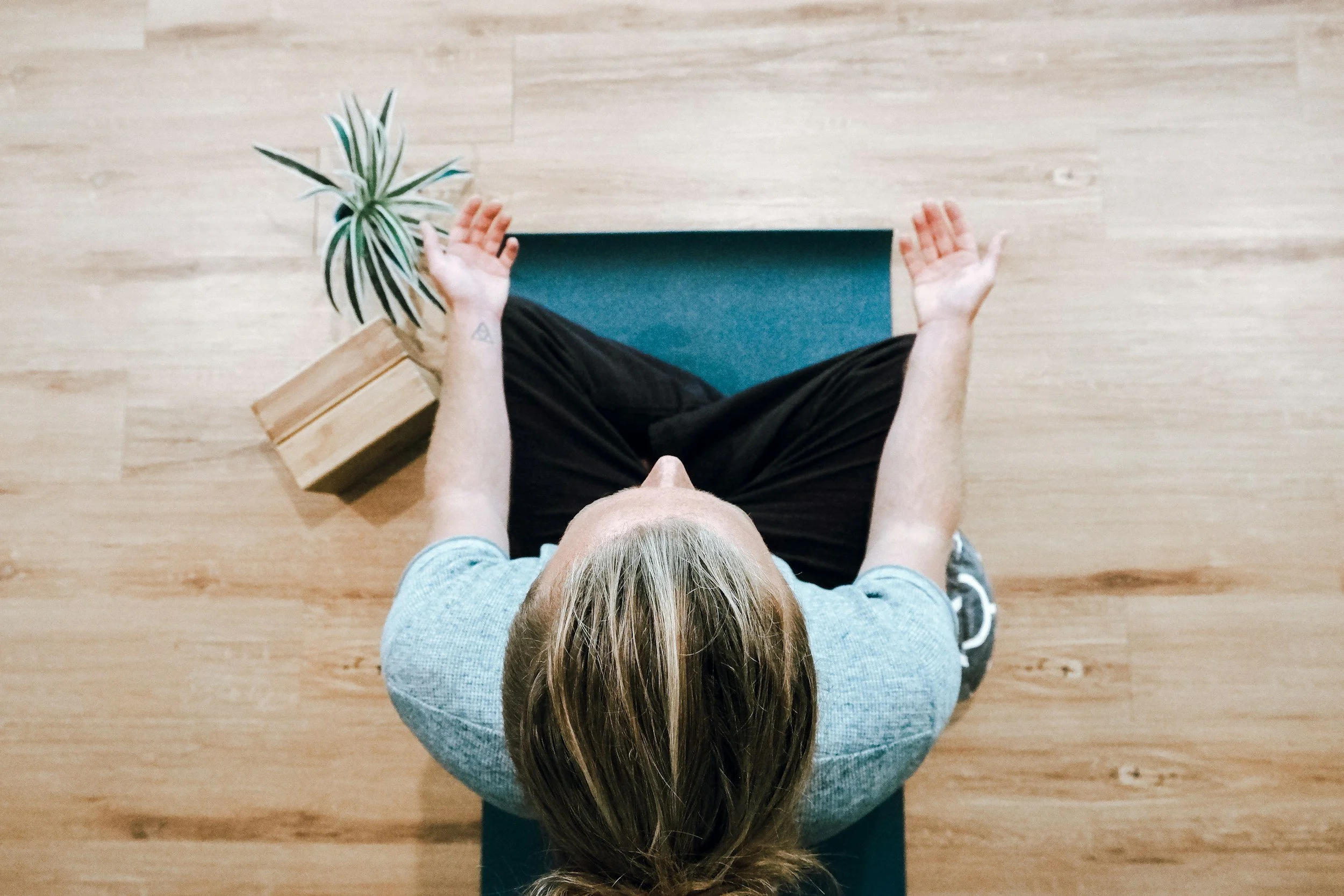
Breathing is one of the fastest ways to influence the nervous system.
Fast, shallow breathing can keep the body alert. Slow, steady breathing can help signal calm. This is why many relaxation methods focus on longer exhales. When the exhale becomes slower, the body often begins to soften. The jaw loosens. The shoulders drop. The heart rate may settle. The mind has something simple to follow.
Sleep wellness devices that support breathwork can be useful because they make the process easier to repeat. Instead of guessing what to do, the user follows a rhythm. That rhythm becomes part of the bedtime habit. Over time, the body can start to associate that routine with rest.
Why Tracking Alone Is Not Enough
Sleep tracking can be helpful, but it has limits.
Seeing that you slept poorly does not always tell you how to sleep better. For some people, tracking even creates pressure. They wake up, check their score, and feel defeated before the day begins. That does not support recovery. It adds another thing to worry about.
This is why newer sleep technology is moving beyond measurement.
People do not only want to know how many hours they slept. They want help falling asleep, staying asleep, and waking up with less tension. A wearable tracker, smart alarm, sound machine, meditation app, or relaxation device can all play a role. The most useful option depends on the person’s main sleep problem. Someone who wakes up often may need a different solution than someone who cannot fall asleep in the first place. Someone with stress-related tension may need calming input before bed more than detailed data in the morning.
The Body Remembers Routine
The body learns through repetition. That is why bedtime routines work better when they are simple. A routine does not need to be fancy. It can be ten minutes of dim lights, no phone, slow breathing, light stretching, and a relaxing sensory cue. The key is doing it often enough that the body recognizes the pattern.
One person might use soft music while reading. Another might use guided breathing after shutting down their laptop. Another might use a calming wearable while lying on the couch before bed. The routine becomes a bridge between daily stress and nighttime recovery. Without that bridge, many people go straight from stimulation to sleep and expect the body to switch modes instantly. That rarely works. The nervous system needs transition time.
How Relaxation Technology Fits Into Real Life
A good sleep routine has to work on normal nights, not just perfect ones.
Most people are not going to spend an hour doing a complicated wind-down process. They have dishes in the sink. They have kids asking questions. They have work messages coming in late. They have pets jumping on the bed. That is why simple relaxation technology can be practical. It gives people a tool they can use even when life is messy.
For example, someone may use a calming device for ten minutes after work to prevent stress from carrying into the night. Another person may use soothing sound or guided breathing while lying in bed. Someone else may use temperature control because they wake up sweaty or uncomfortable.
The best approach is personal. The common goal is the same. Help the body feel less guarded.

Signs Your Nervous System May Need More Support at Night
Many people think poor sleep only means insomnia. That is not always true. Sometimes the signs are smaller. You may fall asleep but wake up at 3 a.m. with your mind racing. You may sleep for eight hours but still feel wired and tired in the morning. You may clench your jaw without noticing. You may feel restless in your legs or tight in your chest. You may dread bedtime because it has become frustrating.
These signs can point to a body that is struggling to downshift.
A sleep routine built around nervous system regulation can help create a stronger sense of calm before bed. It can also make the evening feel less like a battle.
Choosing the Right Sleep Wellness Tool
Before choosing any sleep aid, it helps to ask one simple question. What is keeping me awake?
If the room is noisy, sound support may help. If racing thoughts are the issue, guided meditation or breath pacing may be better. If the body feels tense, vibration, touch-based relaxation, stretching, or a weighted blanket may be useful. If temperature causes wake-ups, cooling bedding or a climate-control tool may be worth considering. If sleep timing is inconsistent, a smart alarm or light-based routine may help reset habits.
The right tool should match the actual problem. Buying the newest gadget without understanding the sleep issue can lead to frustration. A person does not need more technology. They need the right kind of support.
The Role of Heart Rate Variability and Recovery
Heart rate variability, often called HRV, has become a common topic in sleep and recovery. It refers to the variation in time between heartbeats. In simple terms, it can give clues about how the body is handling stress and recovery.
Higher HRV is often linked with better recovery and nervous system flexibility.
Lower HRV may show up when the body is under stress, sick, overtrained, or not sleeping well.
Some sleep trackers use HRV to help users understand patterns. That can be helpful when the data is used calmly. For example, a low recovery score after a late dinner, alcohol, or a stressful day may teach someone what affects their sleep. The problem starts when people treat every number like a grade. Sleep data should guide better choices. It should not create anxiety.
Small Changes Can Make Sleep Technology Work Better
A device alone cannot fix every sleep problem. It works best when paired with basic sleep habits.
Keep the bedroom cool and dark. Stop scrolling before bed. Avoid heavy meals right before lying down. Keep caffeine earlier in the day. Try to wake up around the same time most mornings. Give yourself a buffer between work and sleep.
These steps may sound simple, but they matter.
Technology can support the body, but it cannot fully compete with a chaotic routine. A calming tool becomes more effective when the environment also supports rest. Think of it like putting good tires on a car. They help more when the road is not covered in glass.
Real-Life Example: The Ten-Minute Reset
One of the most realistic ways to use sleep wellness technology is the ten-minute reset. This is not a full evening makeover. It is a short pause before bed. You dim the lights. You put the phone away. You choose one calming cue, such as sound, vibration, breathing, or guided relaxation. You let the body settle before trying to sleep.
That short reset can change the tone of the night. Instead of collapsing into bed with stress still running, you create a clear ending to the day. I have seen this approach work well for people who say they “cannot meditate.” They do not need to sit perfectly still for thirty minutes. They just need a simple, repeatable signal that helps their body slow down. That is where practical sleep technology can feel less like a gadget and more like a nightly anchor.
Why Nervous System Regulation Matters Beyond Sleep

Better sleep affects more than energy. It can influence mood, focus, patience, digestion, cravings, motivation, and stress tolerance. When sleep improves, mornings feel less heavy. Work feels less overwhelming. Conversations feel easier. The body has more room to recover. Nervous system regulation is not about being calm every second of the day. That is not realistic.
It is about helping the body move out of stress mode when the threat is gone.
Nighttime is one of the most important times to practice that shift. The body repairs during sleep. The brain processes memory and emotion. The immune system gets support. The mind gets a break from constant decision-making. When sleep becomes more stable, the whole day can feel more manageable.
Final Thoughts
Sleep innovation is becoming more personal, more calming, and more focused on the nervous system. That is a good thing.
People do not need another screen telling them they are tired. They need support that helps them feel safe enough to rest. A sleep technology device is most useful when it helps create a simple routine, lowers nighttime stress, and gives the body a steady signal to relax.
The goal is not perfect sleep every night.
The goal is better recovery, fewer restless evenings, and a calmer way to end the day.
For many people, that starts with one small change. A slower breath. A darker room. A softer sound. A calming rhythm. A nightly habit that tells the body, “You are done for today.”
About the Author
Anna Gudmundson is a seasoned tech executive with over 20 years of experience in high-growth companies, including leadership and C-level roles. She is the CEO and co-founder of Sensate, a consumer technology company focused on stress management and mental wellness. Anna is passionate about combining science, technology, and human potential to create solutions that promote calm and resilience in today's fast-paced world.
LinkedIn: https://www.linkedin.com/in/annakg/
Website: https://getsensate.com