How Natural Sleep Aid Device Options Can Enhance Recovery and Relaxation After Massage Therapy
By Guest Blogger Sophia Mantzavinos
Massage therapy can feel like a reset button for the body, especially when tight muscles, stress, poor sleep, and daily tension start piling up. Most people walk out of a session feeling lighter, calmer, and more aware of how much strain they were carrying.
But here’s the part many people miss.
The real recovery does not stop when the session ends. What happens that night matters just as much. When the body is relaxed after hands-on bodywork, sleep becomes the next stage of healing. That is where natural sleep aid device options can support deeper rest, better muscle recovery, and a calmer nervous system after massage therapy.
Why Sleep Matters After Bodywork
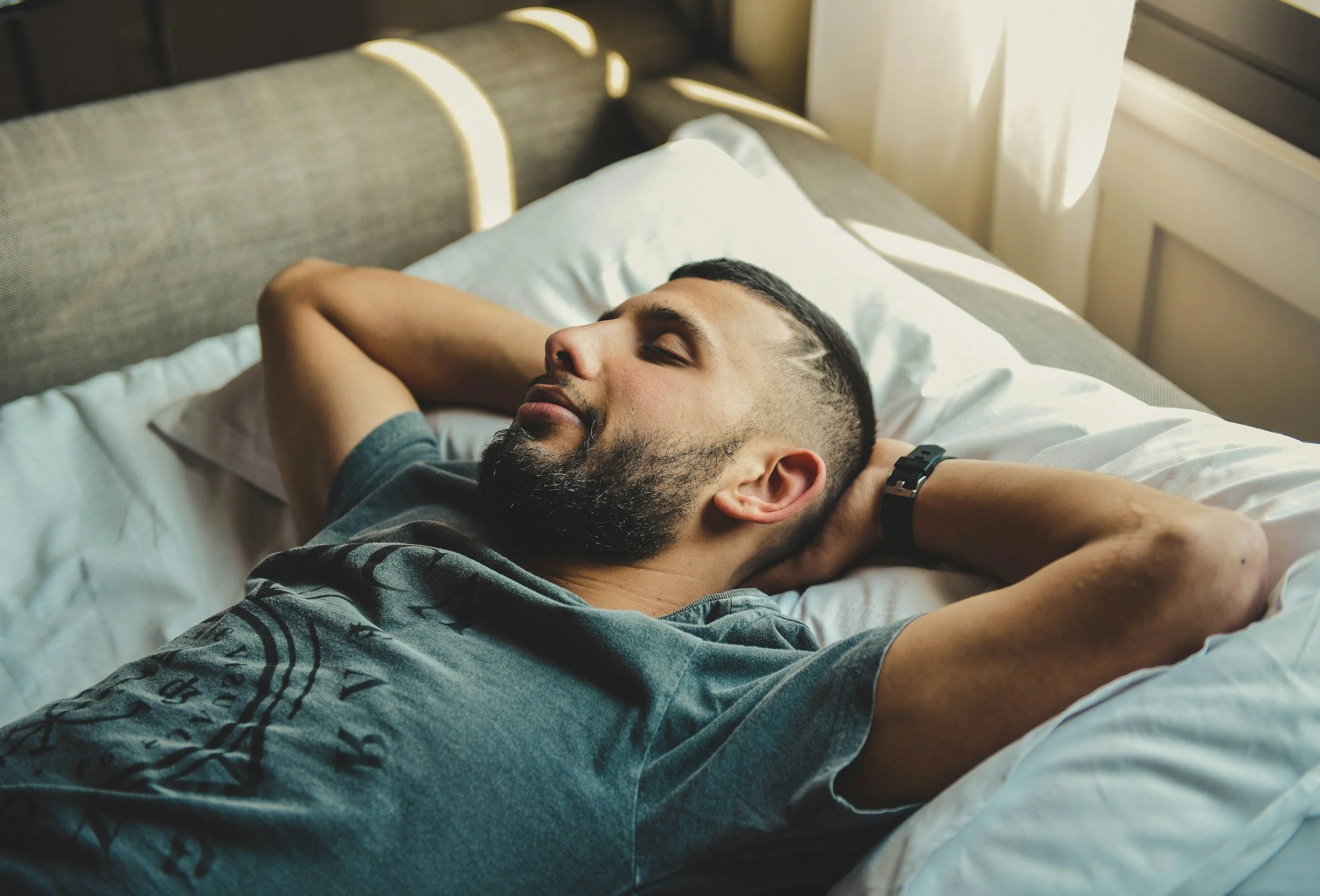
After a deep tissue session, sports massage, relaxation massage, or recovery-focused treatment, the body often feels loose and open. Muscles have been kneaded, pressure points have been addressed, and circulation has been encouraged.
This creates the perfect window for rest.
Sleep gives the body time to repair soft tissue, regulate hormones, reduce inflammation, and calm the stress response.
I remember after one intense shoulder and neck session, I felt great for the first hour, then suddenly tired in a heavy but peaceful way. That was not a bad sign. It felt like my body was saying, “Now let me finish the repair work.” Ignoring that signal by scrolling on a phone, drinking caffeine, or staying up too late can cut into the benefits.
Good sleep helps extend the results of therapeutic massage beyond the treatment room.
The Recovery Window After a Massage
The hours after a massage are important because the body is still responding. Blood flow may be improved. Muscle tension may continue to release. The nervous system may shift from a stressed state into a calmer parasympathetic state. This is sometimes called the “rest and digest” mode. It is the opposite of the rushed, tense, always-alert feeling many people carry through work, traffic, parenting, workouts, and daily pressure.
When sleep follows this relaxed state, recovery often feels smoother.
You may wake up with less stiffness. You may notice better range of motion. You may feel mentally clearer.
This is why pairing massage care with a natural sleep support routine can make a real difference.
What Are Natural Sleep Aid Devices?
Natural sleep aid devices are tools designed to support rest without relying on medication.
Some focus on sound. Some use light. Some help regulate breathing. Others create gentle pressure, warmth, or a calming sleep environment.
These devices are not magic. They work best when they support what the body already wants to do after massage work.
The goal is simple. Reduce stimulation, calm the nervous system, and make it easier to fall asleep naturally.
Common options include white noise machines, weighted blankets, red light lamps, sleep headphones, breathing trainers, cooling pillows, acupressure mats, and smart sleep trackers. Each one supports relaxation in a different way.
White Noise Machines for a Calmer Night
Noise is one of the easiest things to overlook. A car door slamming outside. A dog barking. A neighbor’s television. A sudden notification. Any of these can pull the brain back into alert mode. After a massage session, that can feel especially frustrating because the body is already trying to settle down.
White noise machines help mask sudden sounds by creating a steady background tone. Some people prefer rain sounds. Others like ocean waves, soft fans, or low-frequency hums. I once used a basic rain sound machine after a back and hip session, and the difference was noticeable. Instead of waking up every time the building made a sound, I stayed asleep longer and woke up with less tightness.
That small change made the massage results feel like they lasted another day.
Weighted Blankets and Deep Pressure Relaxation
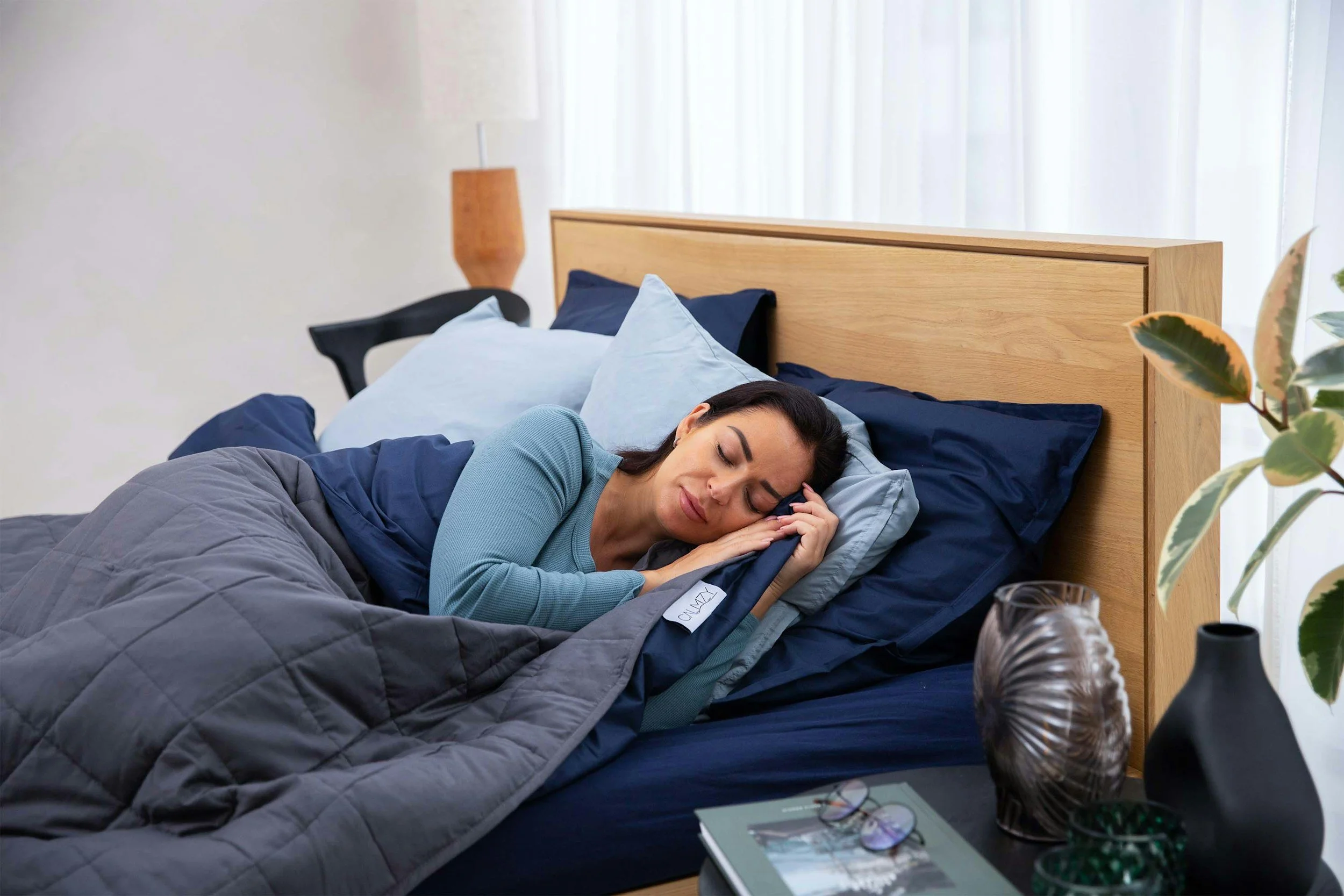
A weighted blanket can feel like a steady, gentle hug. That pressure may help the body feel grounded, especially after a stressful day. For people who hold tension in the shoulders, jaw, or upper back, the calming effect can be useful after bodywork.
The key is choosing the right weight. Too heavy can feel restrictive. Too light may not provide enough comfort. A good weighted blanket should feel soothing, not trapped or overwhelming.
After a relaxing massage, using one for 20 to 30 minutes before sleep can help transition the body into rest mode. It pairs well with slow breathing, dim lighting, and a quiet room.
Red Light and Warm Light Devices
Bright blue light from phones, tablets, and televisions can make bedtime harder. It tells the brain to stay awake.
That is not ideal after bodywork when the goal is recovery.
Warm light or red light devices can help create a more sleep-friendly environment. They are often used in evening routines because they feel softer on the eyes. Think of it like switching from office lighting to sunset lighting. The body understands the difference. A warm lamp beside the bed can make the room feel calm, especially after a warm shower and light stretching. This does not need to be complicated. Even replacing harsh overhead lighting with a softer bedside glow can help prepare the mind for sleep.
Breathing Devices for Nervous System Support
Breathing has a direct effect on the nervous system.
Fast, shallow breathing can keep the body alert. Slow, steady breathing can help the body relax.
Some natural sleep devices guide breathing with light pulses, vibration, or gentle rhythm patterns. These tools can be helpful for people who lie in bed with a tired body but a busy mind.
After a massage, guided breathing can help lock in the feeling of calm. One simple method is breathing in for four counts, pausing briefly, then breathing out for six counts. The longer exhale can signal safety to the body. You do not always need a device for this, but a guided tool can make the habit easier.
Sleep Headphones and Guided Relaxation
Some people cannot fall asleep in silence. The mind starts replaying conversations, deadlines, bills, or tomorrow’s schedule. Sleep headphones can help by playing guided relaxation, meditation, soft music, or body scan audio.
After massage work, a body scan can be especially effective. It asks you to notice each area of the body slowly, without forcing anything. You may feel the shoulders soften. You may notice the jaw unclench. You may realize the lower back is no longer gripping as tightly. This kind of awareness supports the same goal as massage care.
It helps the body feel safe enough to let go.
Cooling Pillows and Temperature Control
Overheating can disrupt sleep. This matters after massage because increased circulation and relaxation may change how warm the body feels. A cooling pillow, breathable sheets, or a temperature-regulating mattress pad can help keep the body comfortable. This is especially useful for people who wake up sweaty, toss and turn, or struggle to stay asleep. A cooler room often supports deeper rest. The goal is not to feel cold. The goal is to avoid heat buildup that interrupts recovery. For many people, a comfortable sleep temperature can be the difference between light, broken sleep and a full night of restoration.
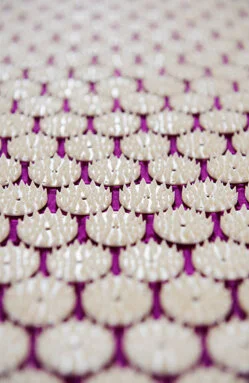
Acupressure Mats and Gentle Wind-Down Routines
Acupressure mats use small pressure points to stimulate the skin and muscles. Some people use them before bed to relax the back, neck, or feet. They can feel intense at first, so it is smart to start slowly. A thin shirt or towel can reduce the pressure.
After a massage, an acupressure mat should not be used aggressively. The body has already received hands-on work. Think of it as a gentle wind-down tool, not another deep treatment. Ten minutes may be enough.
The goal is to encourage relaxation without overstimulating sore areas.
How to Build a Simple Post-Massage Sleep Routine
A good routine does not need to be expensive or complicated.
Start with water. Then keep dinner light if possible. Avoid hard workouts right after the session. Take a warm shower if it feels good. Dim the lights early. Put the phone away at least 30 minutes before bed. Use one natural sleep device that fits your body’s needs. That might be a white noise machine, a weighted blanket, a breathing guide, or soft sleep audio.
The best routine is the one you will actually follow. Consistency matters more than perfection.
Signs Your Body Is Responding Well
You may notice better sleep the night after bodywork. You may wake up feeling less stiff. You may feel calmer the next morning. You may move more easily during normal tasks like driving, walking, bending, or sitting at a desk. Some people also notice emotional release. That can happen when the body finally gets a break from constant tension. One client-style example is someone who carries stress in the neck and shoulders all week, then realizes after treatment and sleep that their headaches are less frequent. Another example is an active person who feels less leg tightness after combining sports massage, hydration, and a full night of rest.
Small changes can add up.
What to Avoid After a Massage
Try not to rush back into stress mode. Avoid heavy alcohol, late caffeine, intense exercise, or hours of screen time. Do not schedule a stressful task right after your appointment if you can help it.
The body needs space to adjust.
Some soreness can happen after deeper work, but rest usually helps. If discomfort feels sharp, unusual, or severe, it is better to check with a qualified professional.
The point is to support recovery, not push through warning signs.
Final Thoughts
Massage therapy works best when it is supported by what happens afterward.
Sleep is one of the most powerful recovery tools the body has. Natural sleep aid devices can make that recovery easier by reducing noise, softening light, guiding breath, improving comfort, and creating a calmer bedtime routine.
You do not need every device on the market. You only need the right support for your body.
Start with one simple change. Protect the quiet hours after your session. Let your body settle. Then let sleep do the deeper work.
About the Author
Sophia Mantzavinos has been practicing massage therapy for the past 18 years. She specializes in innovative deep tissue and sports massage and is passionate about helping athletes achieve their performance and recovery goals through customized treatment plans.
Headshot: https://prnt.sc/qli6j7O01GvL
Website: https://www.sacredsplendor.net/