Massage Therapy After Surgery: What It Is and How It Can Support Your Recovery
Surgery is often only the first step in recovery. For many people, the real work begins afterward, when the procedure is over, the incision has healed, and you’re trying to return to normal movement again. This stage can bring a mix of experiences including lingering pain, stiffness or tightness, swelling, restricted movement, and sensitivity or numbness around scars.
Some people are surprised by how long these symptoms can last. Even when the surgery was successful, the body still needs time and support to adapt. This is one reason doctors and physical therapists often recommend massage therapy as part of post-surgical recovery.
When it’s done at the right time, and with the right approach, therapeutic massage can help your body move more comfortably as it heals.
Why Massage Therapy Can Help After Surgery
Surgery affects more than the area that was operated on. The body responds to injury by creating inflammation, protective tension, and scar tissue. Over time, these changes can influence how surrounding muscles, joints, and connective tissues move.
Massage therapy can help support recovery in several ways:
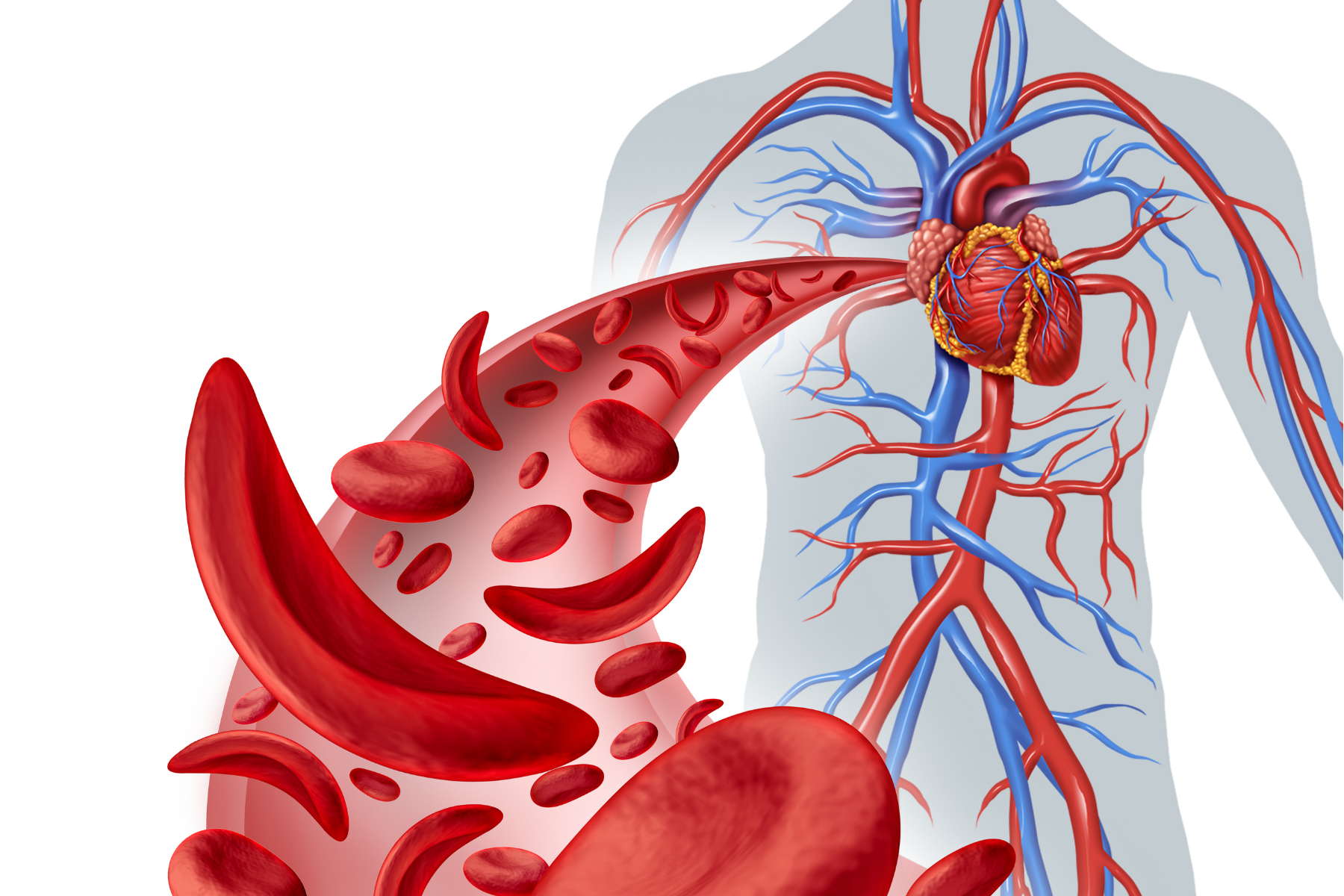
Improving circulation
Massage can encourage blood flow to the tissues surrounding the surgical area. Enhanced blood flow helps deliver nutrients for repairing muscle tissues, aiding in recovery after exercise or injury.
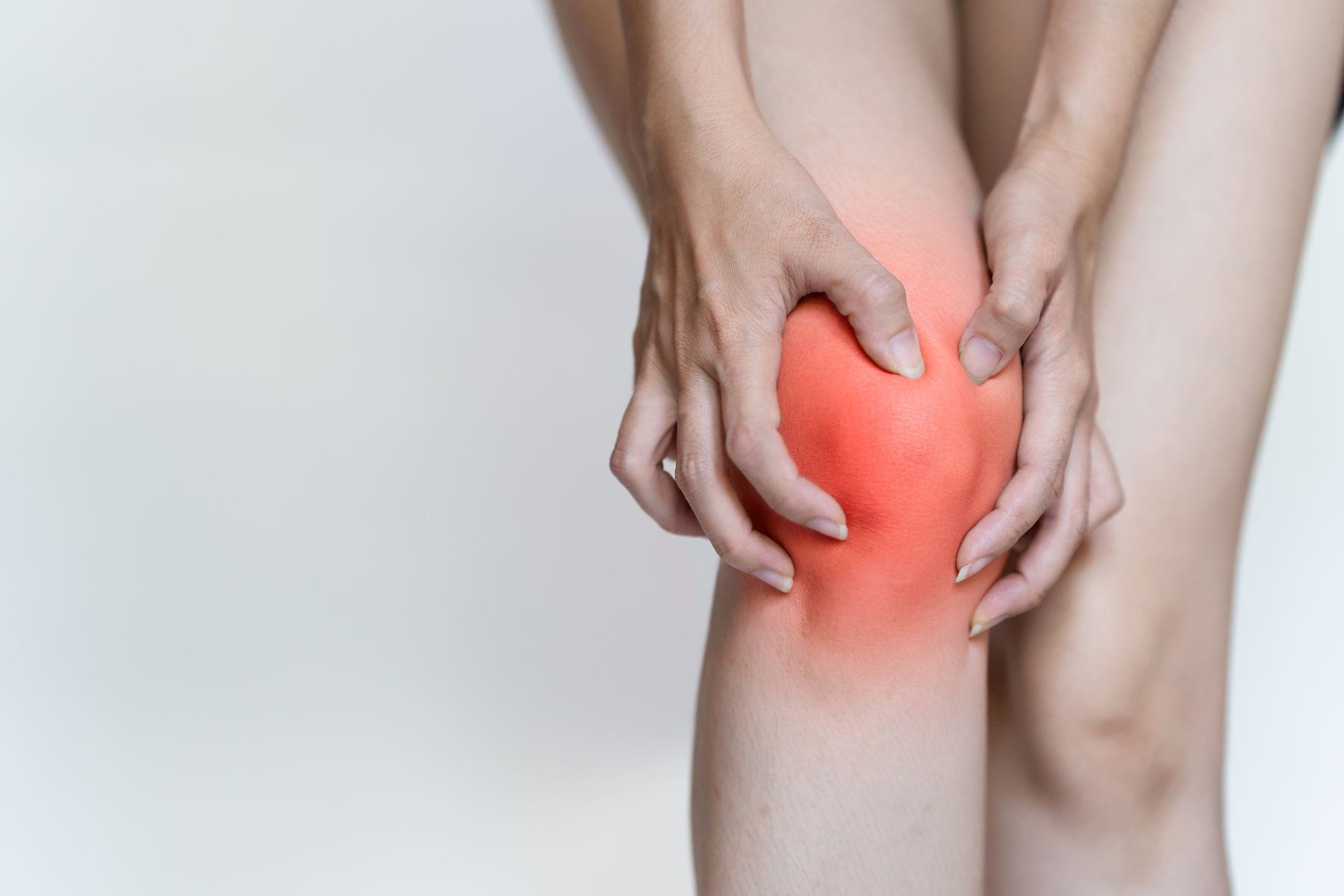
Managing pain and tension
When tissue becomes tight or protective after surgery, surrounding muscles often compensate. Massage can help reduce unnecessary tension and allow the body to move more comfortably.
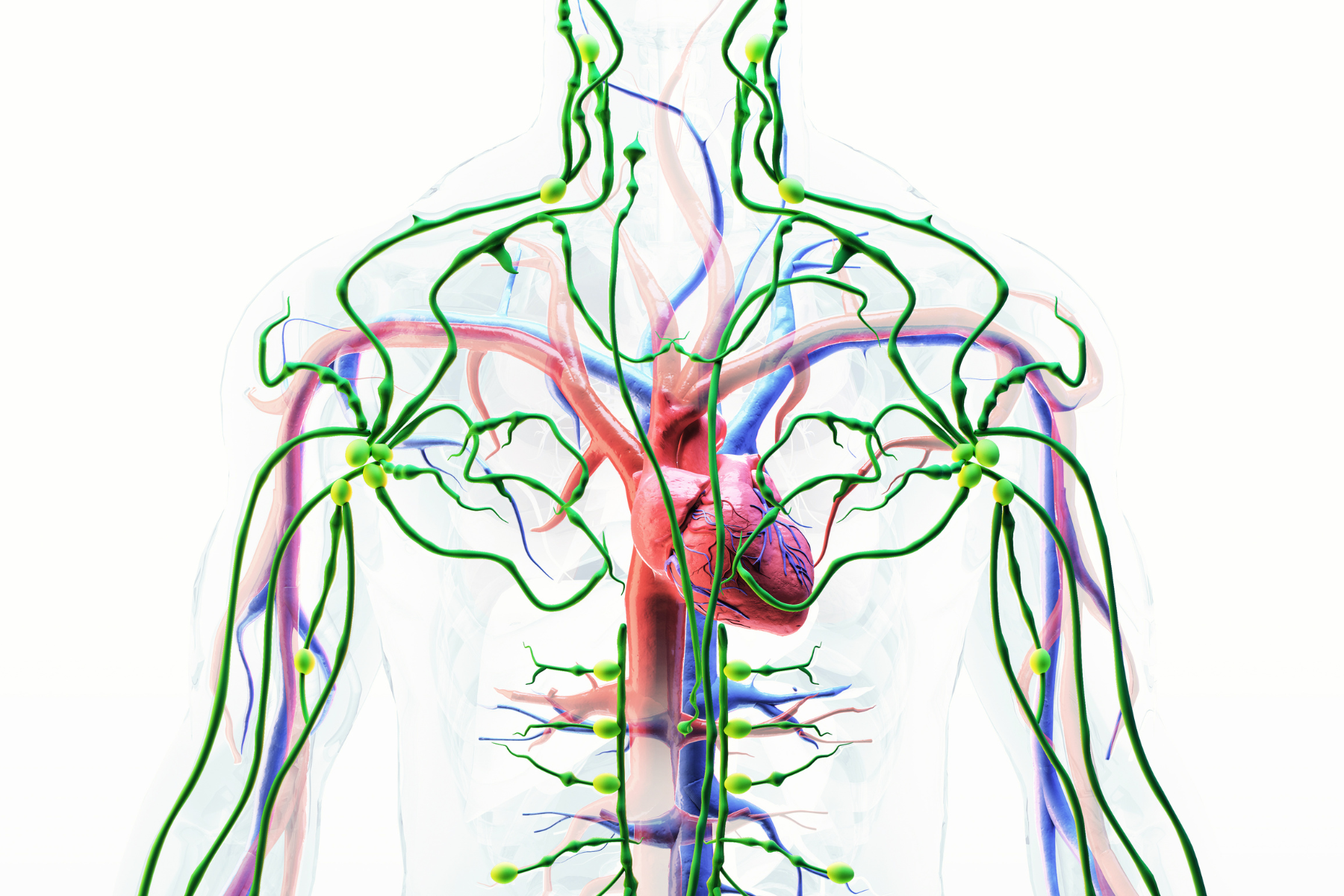
Supporting lymphatic flow
After surgery, swelling is common. Massage can support the lymphatic system to help move fluid through the body more efficiently, which may reduce swelling and pressure in the area.
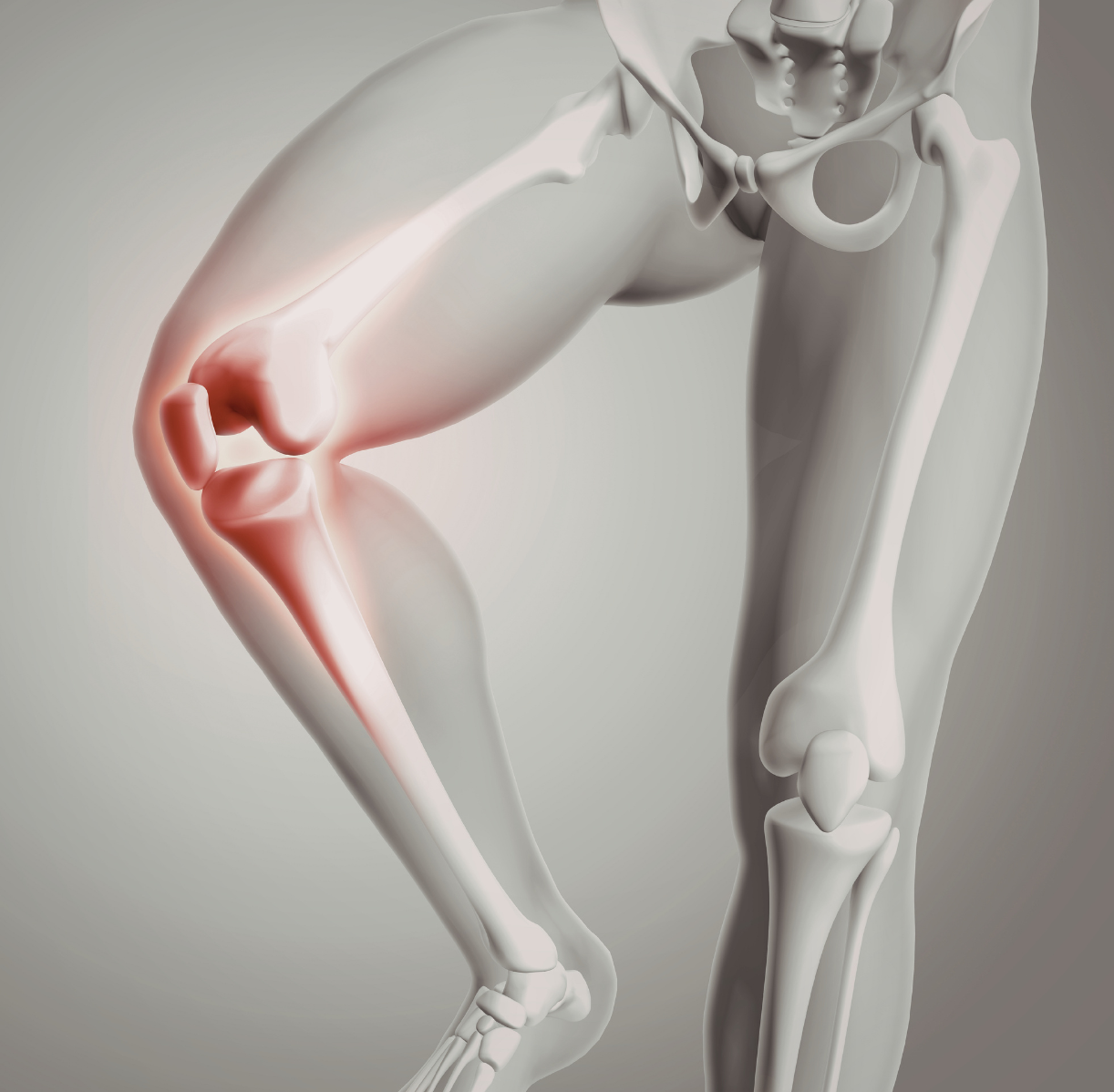
Improving mobility
Restricted tissue around a surgical site can limit movement in nearby joints. Carefully applied manual therapy can help restore glide between tissue layers and improve overall mobility.
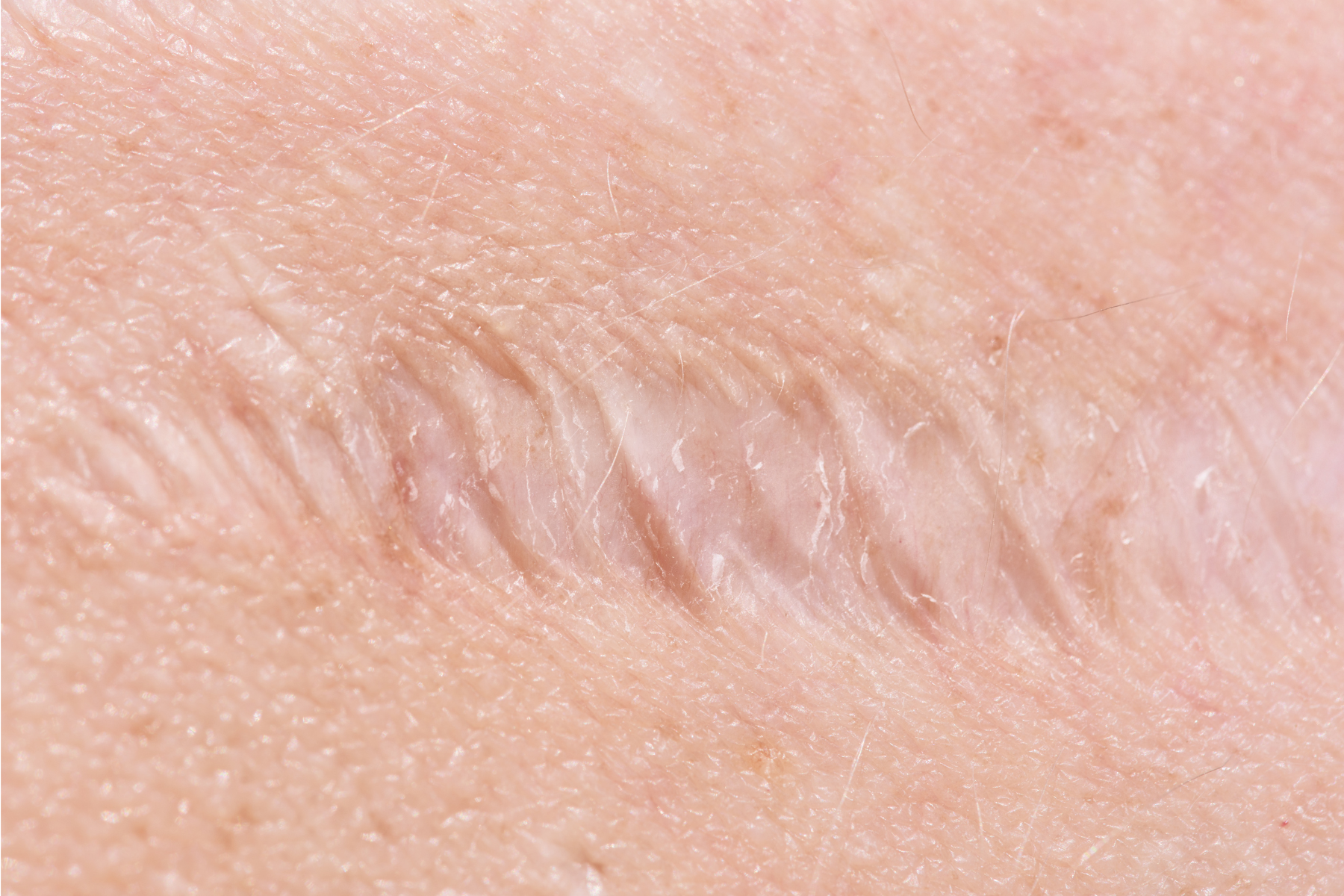
Addressing scar tissue
Scar tissue is a normal part of healing, but it can sometimes become dense or restrictive. Specialized scar work can help improve flexibility and reduce pulling sensations.

Reducing Stress and Anxiety
Massage can calm the nervous system, promoting a better emotional state and aiding sleep, which is critical for recovery.
Massage Techniques Often Used in Post-Surgical Care
Massage therapy after surgery is not one single technique. Different approaches may be used depending on the type of surgery, stage of healing, and symptoms you're experiencing. Below are several methods commonly incorporated into therapeutic sessions.
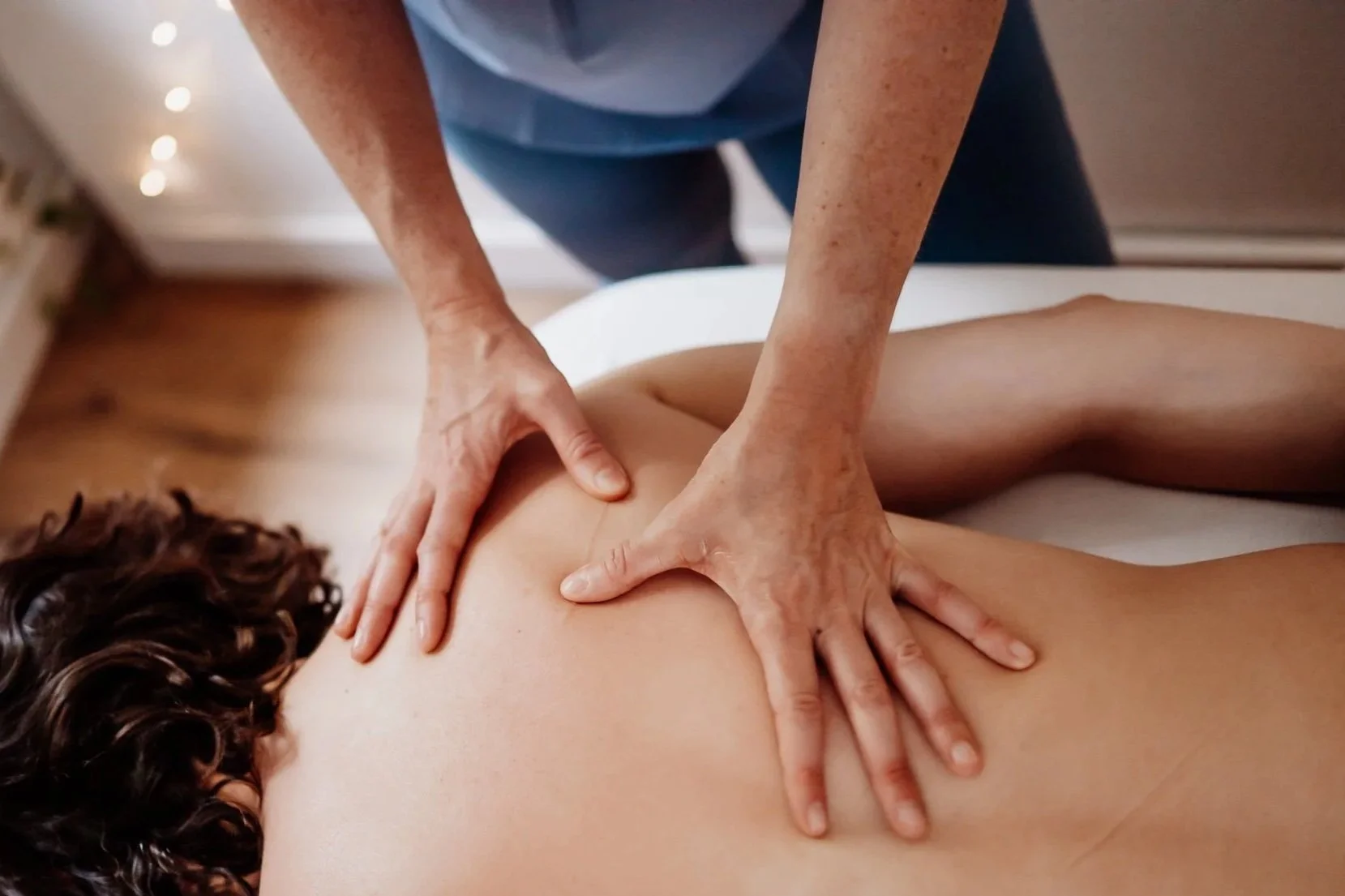
Myofascial release (MFR) is a specialized, targeted therapy designed to release restrictions in the connective tissue (fascia) using slow, sustained pressure without oil or lotion.
Myofascial Release for Post-Surgical Tightness
Fascia is a connective tissue network that surrounds muscles and organs throughout the body. After surgery, fascia can become tight or restricted, especially around incision sites. Myofascial release uses slow, sustained pressure to gently stretch these tissues. The goal is not force. Instead, it allows the tissue to gradually soften and lengthen.
Clients often notice improvements in:
flexibility
ease of movement
reduction in pulling or tension
Lymphatic Support to Reduce Swelling
After surgery, the lymphatic system works overtime to move fluid and cellular waste away from the healing area. When fluid builds up faster than the body can move it, swelling can occur. Gentle lymphatic techniques use very light, rhythmic strokes to encourage the natural movement of lymph through the body.
These techniques can help:
reduce swelling
relieve pressure in the tissues
support the body’s natural healing processes
Deep Tissue Techniques for Chronic Tension
As the body heals, some people develop deeper muscle tension around the surgical area. This may happen because muscles were inactive for a period of time, or because the body adapted to protect the injured area. Deep tissue techniques work into deeper layers of muscle and connective tissue to reduce persistent tension and improve mobility. This work is always adjusted to your tolerance and stage of healing. It should never feel aggressive or overwhelming.
Scar Tissue Work
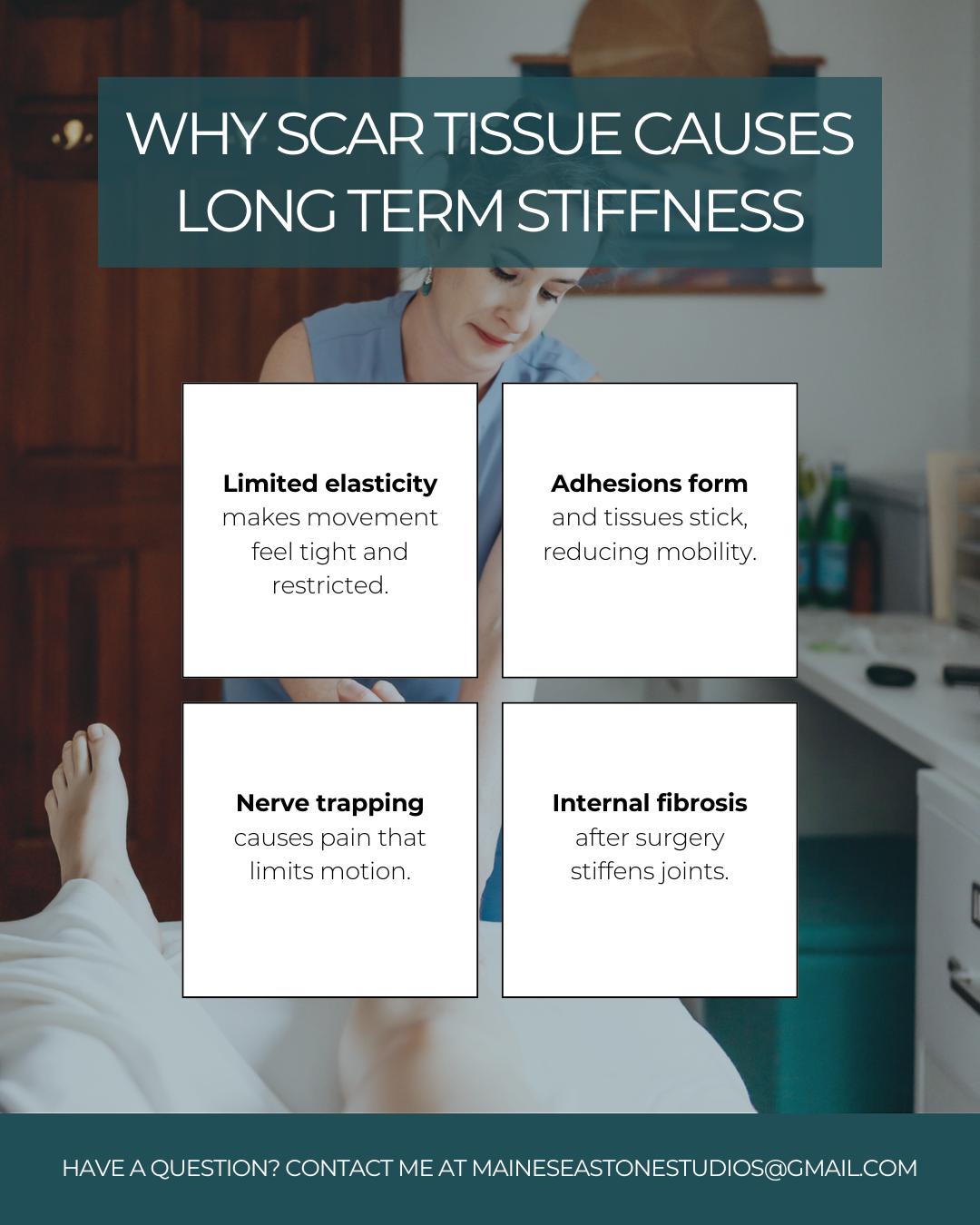
Scar tissue forms quickly after surgery. It’s the body’s way of repairing damaged tissue. Sometimes scar tissue can bind layers of tissue together, creating adhesions that limit movement or cause discomfort. Scar massage focuses on improving mobility in the scar and surrounding tissues. Over time, this can help reduce tightness, pulling sensations, and sensitivity. Scar work is introduced gradually and only when the incision is fully healed.
When Is It Safe to Start Massage After Surgery?
Timing matters. Massage therapy should only begin when your surgeon or healthcare provider has cleared you for it. Every surgery and recovery timeline is different.
Before beginning massage therapy, it’s important to:
receive medical clearance
wait until incisions are fully healed
avoid direct work over surgical sites until appropriate
work with a therapist experienced in post-surgical care
If you’re unsure whether massage is appropriate yet, we can always discuss your situation and help you decide when the timing is right.
Some people come in to my office soon after surgery because their doctor or physical therapist recommended massage as part of their recovery. Others find their way to me much later. It’s common for someone to sit down and tell me that everything technically healed… but their body never quite felt the same afterward. They might notice stiffness that wasn’t there before. A pulling sensation around the scar. Movements that used to feel easy now feel limited or uncomfortable. Healing doesn’t always end when the incision closes. And whenever you decide to pay attention to what your body might still need, it’s not too late.
Communication Is Essential During Post-Surgical Massage
Your comfort and safety are always the priority. Massage therapy should not feel unbearable or overwhelming.
During a session:
pressure is adjusted based on your feedback
you are always encouraged to speak up
techniques can be modified at any time
Some mild tenderness may occur when working with restricted tissue, but it should always feel manageable. Your body is already doing a lot of work to heal. Massage therapy is meant to support that process, not force it.
Post-Surgical Massage Therapy in Bar Harbor and Mount Desert Island
If you're recovering from surgery and dealing with stiffness, swelling, or scar-related restriction, massage therapy may be a helpful part of your recovery plan. Many of my clients are referred by their doctor or physical therapist, while others seek care when they notice lingering tension months after surgery. If you’re located in Bar Harbor or the Mount Desert Island area and wondering whether massage therapy might support your recovery, you’re welcome to reach out with questions. Together we can determine whether it’s the right fit for where you are in the healing process.
If you’re a healthcare provider in the Mount Desert Island or Bar Harbor area and have a patient who may benefit from therapeutic massage as part of their recovery, I’m always happy to be a resource. My work often complements care provided by physicians, surgeons, physical therapists, and chiropractors. When appropriate, I’m glad to coordinate with a patient’s treatment team to ensure the work we’re doing supports their overall recovery plan. If you ever have questions about whether massage therapy might be helpful in a particular case, you’re welcome to reach out.