
Creating a Holistic Wellness Routine:
Combining Massage Therapy with Personal Training Gym and Strength Training Practices
By Guest Blogger Dirk Jamison
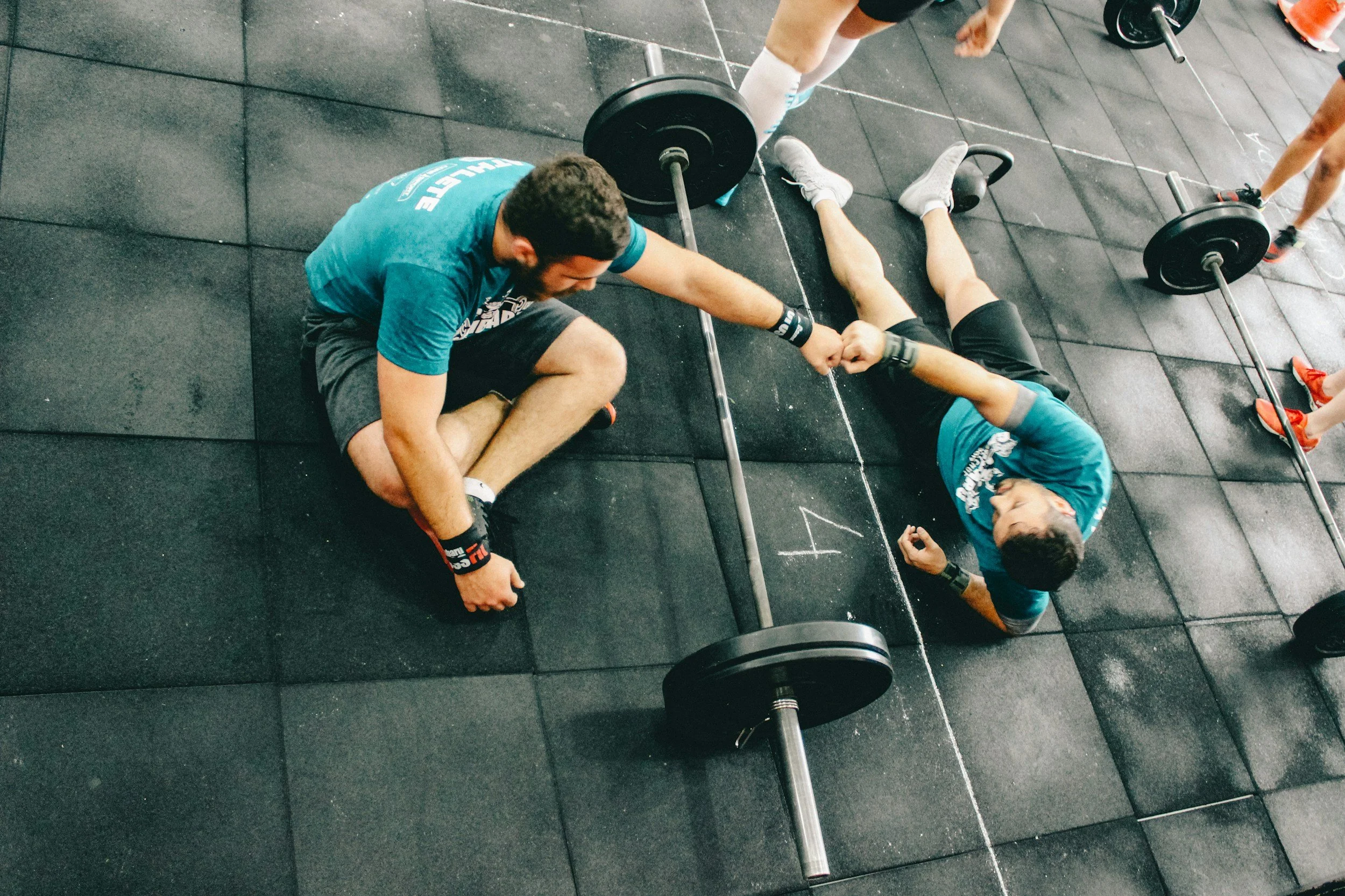
A personal training gym can be the missing piece when your wellness routine feels scattered, inconsistent, or too hard to manage alone. Most people start with one goal.
They want to lose weight.
They want to build strength.
They want less back pain.
They want more energy after work.
Then real life gets in the way. A busy week turns into missed workouts. Sore muscles turn into excuses. Stress builds up, sleep gets worse, and the body starts feeling stiff again. That is why a true wellness routine should not rely on one thing. It should bring together movement, recovery, strength, mobility, and better daily habits.
For many people, the best starting point is apersonal training gym where workouts are guided, structured, and adjusted to real fitness levels.
Why Wellness Needs More Than Random Workouts
A lot of people think wellness means going hard at the gym for a few weeks. That rarely lasts. I have seen people start strong on Monday, train too hard by Wednesday, feel sore by Friday, and quit by the next week.
That does not mean they are lazy. It usually means the plan was not built for their body, schedule, stress level, or recovery needs.
A holistic routine works differently. It looks at the full picture.
That includes strength training, stretching, massage therapy, sleep, breathing, nutrition, posture, and stress management. When these pieces work together, the body has a better chance of improving without burning out.
How Personal Training Supports Real Progress
A personal trainer does more than count reps. A good trainer watches how you move. They notice if your knees cave in during a squat. They see if your shoulders round forward during a row. They know when to push harder and when to pull back.
That kind of coaching matters because most people do not see their own movement patterns.
Someone may think they are doing a lunge correctly, but their hips may be shifting to one side. Someone may think they need more cardio, when their real issue is weak glutes, poor posture, or low core stability.
Guided fitness coaching helps remove guesswork. It also helps people train with better form, safer progressions, and more confidence.
Where Massage Therapy Fits Into the Routine
Massage therapy is not just something you book when you feel sore. It can be a smart part of recovery. After strength workouts, muscles can feel tight, heavy, or restricted. Massage may help ease tension, support circulation, and improve how the body feels between sessions.
For example, someone who sits at a desk all day may feel tight through the neck, shoulders, hips, and lower back. Strength training can help correct those issues over time. Massage can help reduce the tension that builds up from daily posture habits.
Together, they support both short-term relief and long-term improvement.
Strength Training Builds the Foundation
Strength training is one of the most important parts of a balanced wellness plan. It helps build muscle, support joints, improve posture, and make everyday movement easier. Carrying groceries feels easier. Climbing stairs feels less tiring. Getting up from the floor feels smoother. Even simple things like standing for long periods or walking uphill can improve when the body is stronger.
A well-planned gym workout program does not need to be extreme. It may include squats, deadlifts, rows, presses, carries, and core work.
The key is doing the right exercises with the right form and the right amount of intensity.
A Real-Life Example of Training and Recovery Working Together
Imagine someone named David. He works at a computer all day. His shoulders feel tight. His lower back aches after long drives. He tries going to the gym, but he mostly uses machines because they feel safe. After a month, he does not notice much change. Then he starts working with a coach.
His trainer notices weak glutes, tight hip flexors, and poor upper-back strength. His program includes hip bridges, split squats, cable rows, farmer carries, and mobility drills. At the same time, he books massage therapy twice a month to work on tight areas around his hips, back, and shoulders.
After a few weeks, he feels different. He stands taller. His back does not ache as much. His workouts feel more natural.
That is the power of combining training and recovery instead of treating them as separate things.
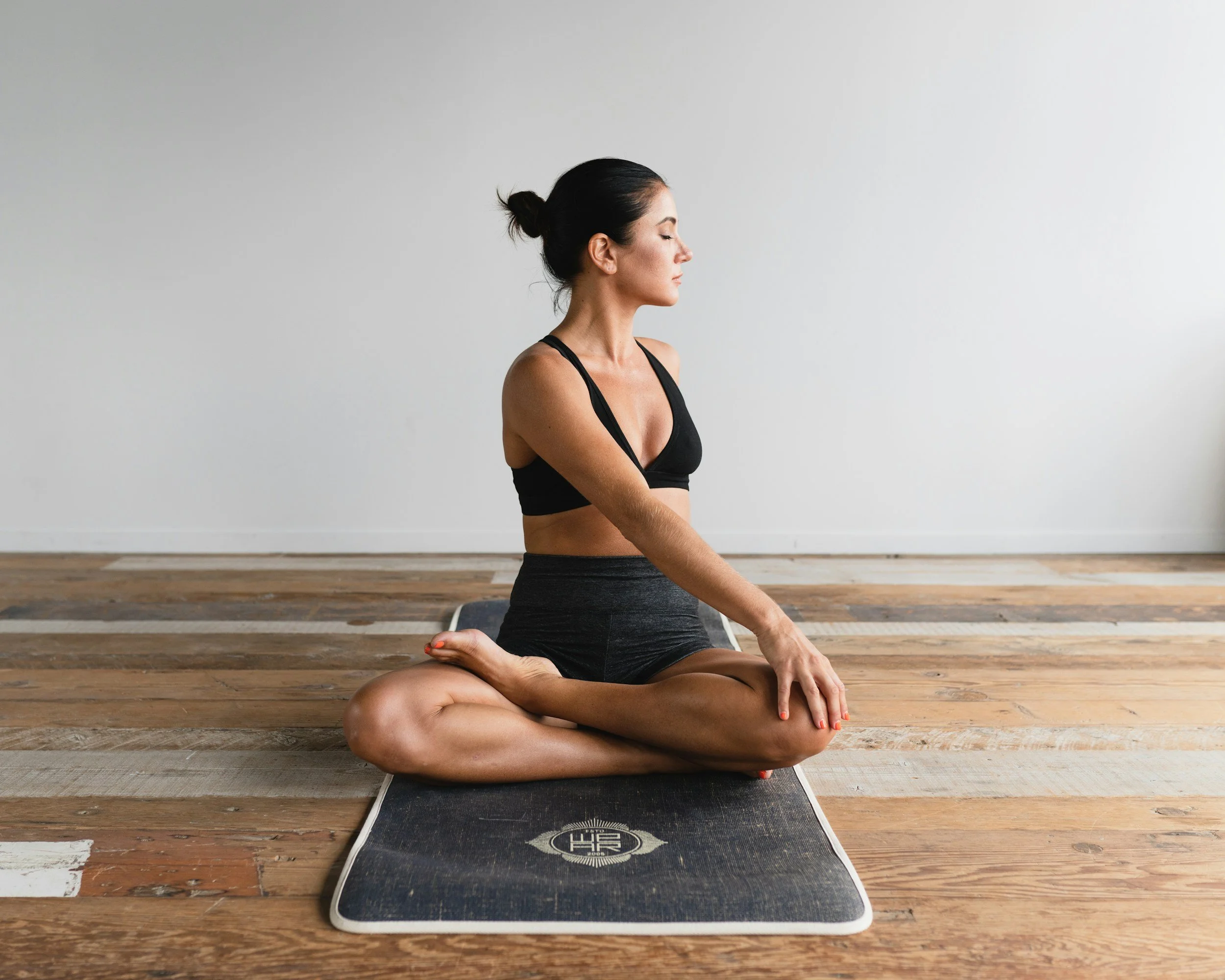
Building a Weekly Wellness Schedule
A balanced routine does not need to be complicated. It just needs structure.
For many beginners, two or three strength sessions per week can be enough. Add one or two mobility sessions. Add light walking on rest days. Add massage therapy once or twice a month, depending on soreness, stress, and budget.
A simple week may look like this:
Monday: Full-body strength training.
Tuesday: Walk and stretch.
Wednesday: Upper-body and core workout.
Thursday: Massage therapy or mobility work.
Friday: Lower-body strength training.
Saturday: Easy hike, yoga, or active recovery.
Sunday: Rest and meal prep.
This kind of plan gives the body a rhythm. It also makes wellness feel more realistic.
Why Recovery Is Not Optional
Many people treat recovery like a reward. They only stretch or rest after they feel pain. That is backwards.
Recovery should be part of the plan from the beginning. Muscles need time to repair. Joints need time to adapt. The nervous system needs time to calm down.
Without recovery, even a great strength program can become stressful.
Massage therapy, stretching, sleep, hydration, and light movement all help the body handle training better.
This is especially important for people who are new to fitness, returning after a break, or dealing with old injuries.
The Role of Mobility and Flexibility
Mobility is the ability to move well through a range of motion.
Flexibility is how much a muscle can lengthen.
Both matter.
A person may be strong but stiff. Another person may be flexible but unstable. The goal is to have control, strength, and range of motion together.
A trainer may include dynamic warmups before lifting. That could include hip circles, band pull-aparts, lunges, arm swings, and controlled bodyweight movements.
Massage therapy may help reduce muscle tension, but movement teaches the body how to use that new range.
That is why recovery and exercise should work as a team.
Nutrition Supports the Work
You cannot out-train poor daily habits. Food matters. That does not mean every meal has to be perfect. It means the body needs enough protein, fiber, water, and steady energy to train and recover. Someone who skips breakfast, drinks too much caffeine, and eats one big meal at night may struggle with workouts. They may feel tired, lightheaded, or sore for longer than expected.
Simple changes can help.
Add protein to each meal. Drink water before training. Eat colorful foods. Avoid showing up to workouts completely empty.
Good nutrition makes strength training feel better and recovery smoother.

Sleep Is Part of the Program
Sleep is where the body repairs. It is also where progress often gets made.
People sometimes blame their workout plan when the real issue is poor sleep. If someone sleeps four or five hours a night, they may feel weaker, hungrier, more stressed, and less motivated.
No routine can fully replace rest. A healthy wellness plan should include a realistic sleep goal. That may mean turning off screens earlier. It may mean limiting late caffeine. It may mean keeping a consistent bedtime.
Small sleep improvements can make training, recovery, and mood much better.
How Coaching Builds Confidence
One of the biggest benefits of guided exercise is confidence.
Many people feel nervous walking into a gym. They worry about using equipment wrong. They worry people are watching. They worry they are too out of shape to start. A coach can make the space feel less intimidating. Instead of guessing, the person has a plan. Instead of copying random workouts online, they learn what works for their body.
That confidence often carries into daily life.
People begin to stand taller. They move with less fear. They start seeing themselves as active, capable, and strong.
Listening to the Body Without Quitting
A holistic routine teaches people to listen to their body without giving up every time something feels hard.
There is a difference between effort and pain.
There is a difference between normal soreness and warning signs.
There is a difference between needing rest and avoiding discomfort.
Personal coaching helps people understand those differences.
Massage therapy can also help people become more aware of tightness, stress patterns, and areas that need attention.
This awareness makes the routine smarter. It also reduces the chance of pushing through problems until they become injuries.
Why Consistency Beats Intensity
The best wellness routine is the one you can keep doing.
Extreme plans often fail because they ask too much too soon. A better approach is steady progress. Train consistently. Recover consistently. Sleep consistently. Eat well most of the time. Book bodywork before tension becomes pain.
Over months, these small choices add up. The person who trains three times a week for a year will usually make more progress than the person who trains hard for three weeks and disappears for three months.
Creating a Routine That Feels Personal
Wellness should not feel copied and pasted. A college student, a busy parent, and a 55-year-old office worker may all need different plans. One person may need strength and weight loss support. Another may need mobility and injury prevention. Another may need stress relief and better posture.
A strong routine should match the person.
That includes their schedule, experience level, goals, soreness, sleep, and comfort with exercise. The more personal the plan feels, the easier it is to follow.

Final Thoughts
Creating a holistic wellness routine is not about doing everything perfectly. It is about combining the right habits in a way that supports your real life.
Strength training builds the body.
Massage therapy supports recovery.
Mobility keeps movement smoother.
Sleep and nutrition help the body repair.
Coaching adds structure, safety, and accountability.
When these pieces work together, fitness stops feeling like a short-term challenge. It becomes a lifestyle that helps you move better, feel stronger, and recover with more confidence.
About the Author
Dirk Jamison grew up in the world of Olympic weightlifting and turned to coaching at an early age. He opened his own strength training gym in 2008 and has been helping people build strength, improve performance, and transform their health ever since.
LinkedIn: https://www.linkedin.com/in/dirk-jamison-aba486320/
Website: https://www.liftsilverlake.com/